Curated Nails 指甲计划

Curated Nails 指甲计划

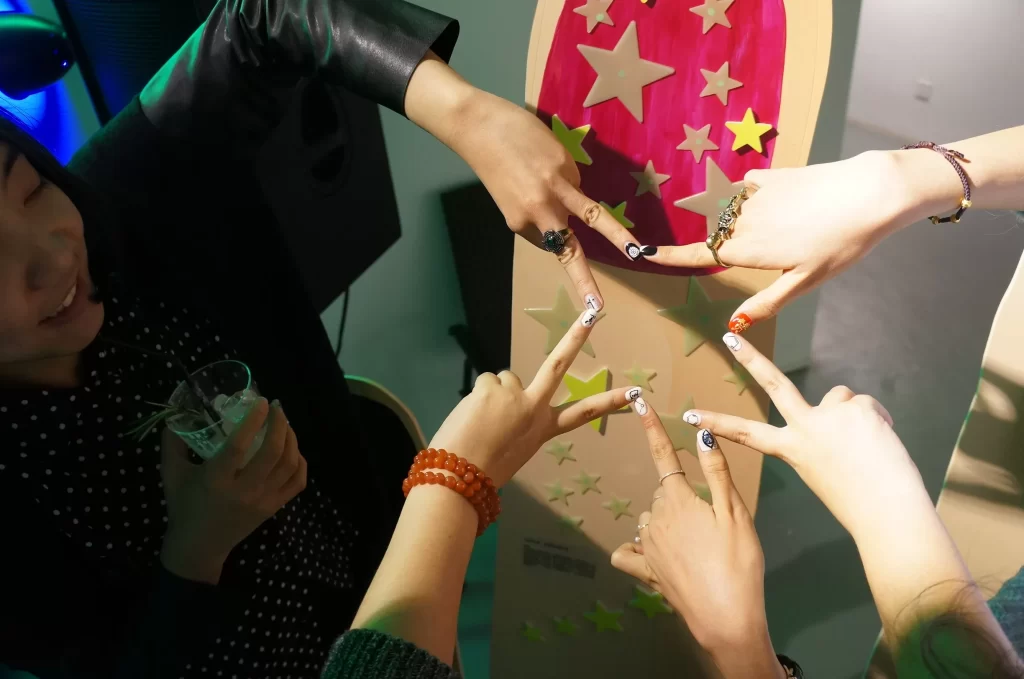
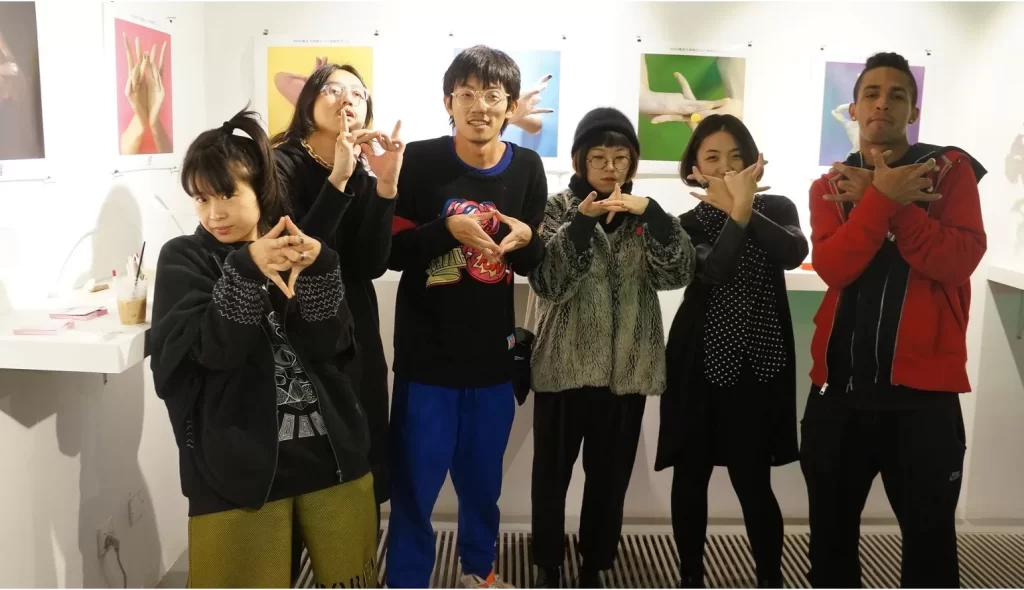
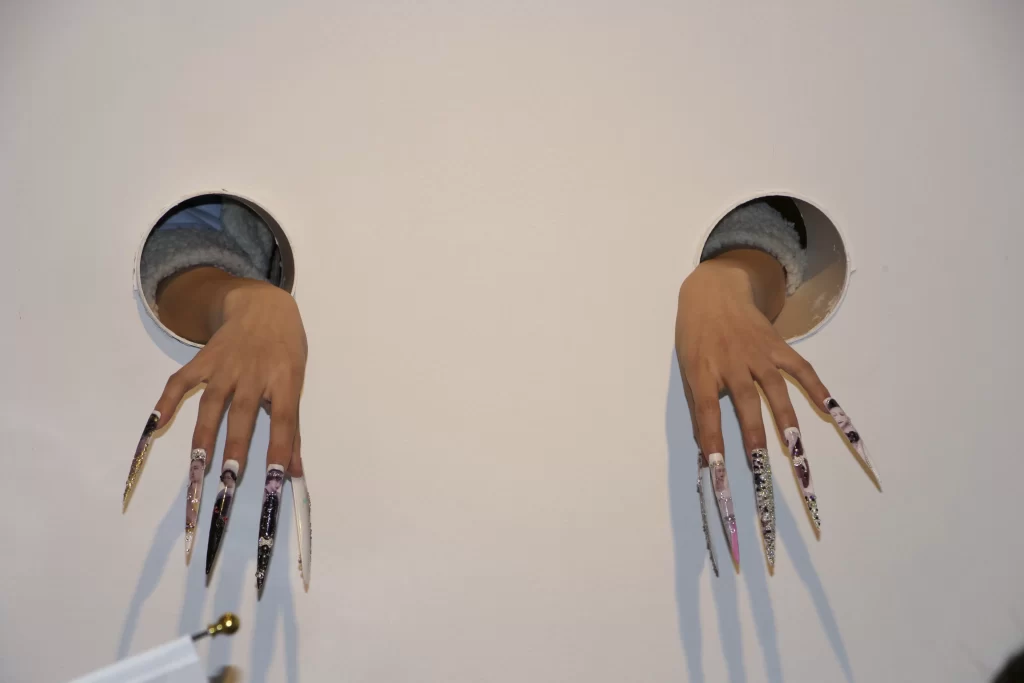
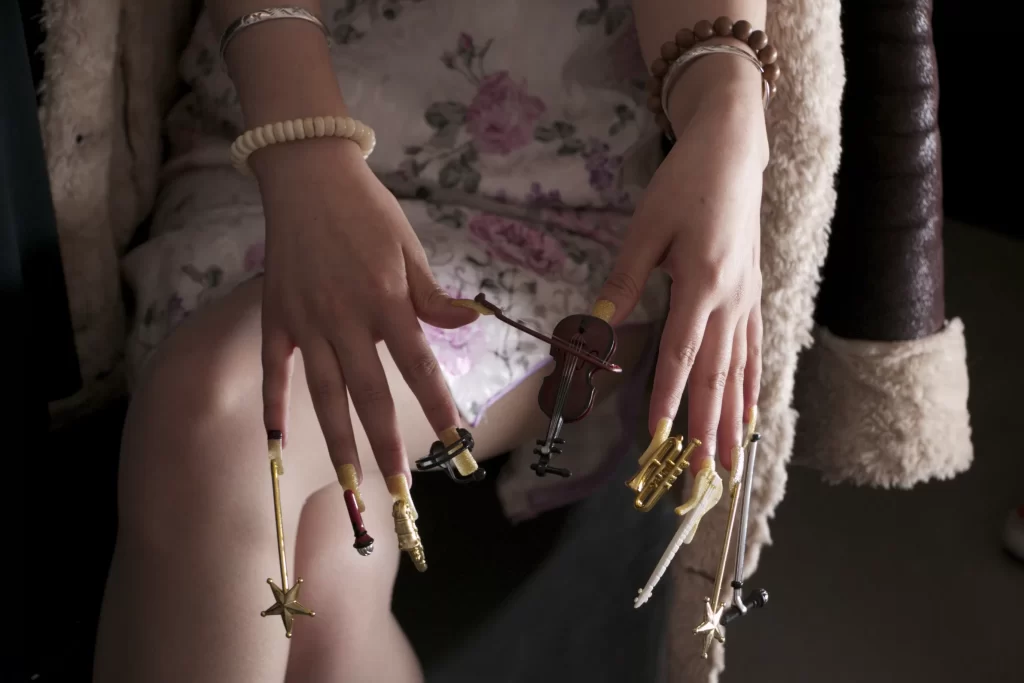
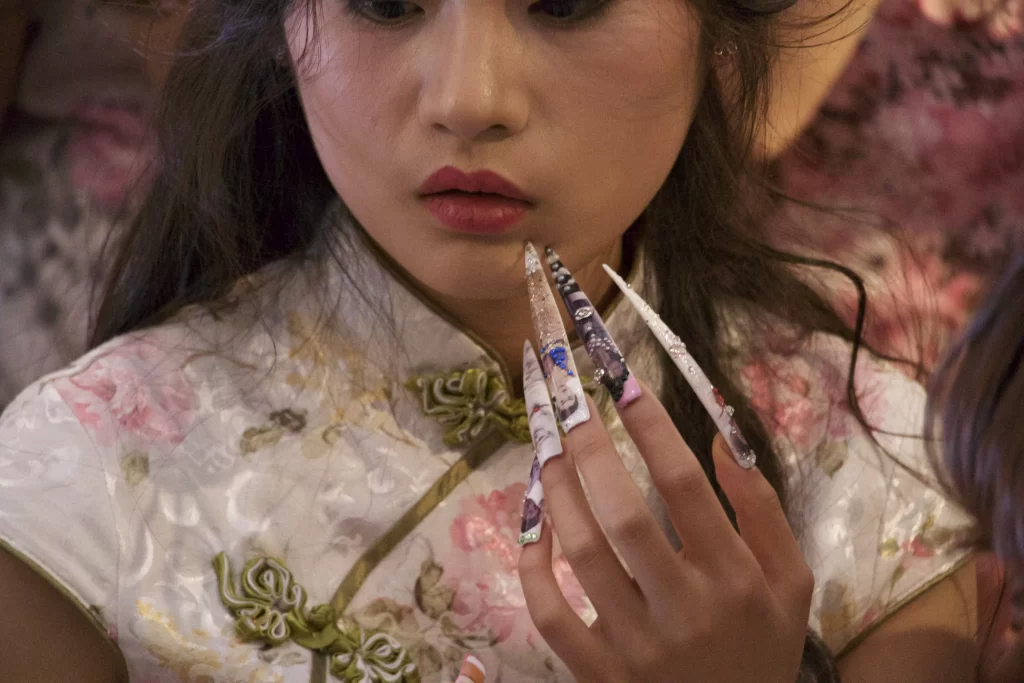
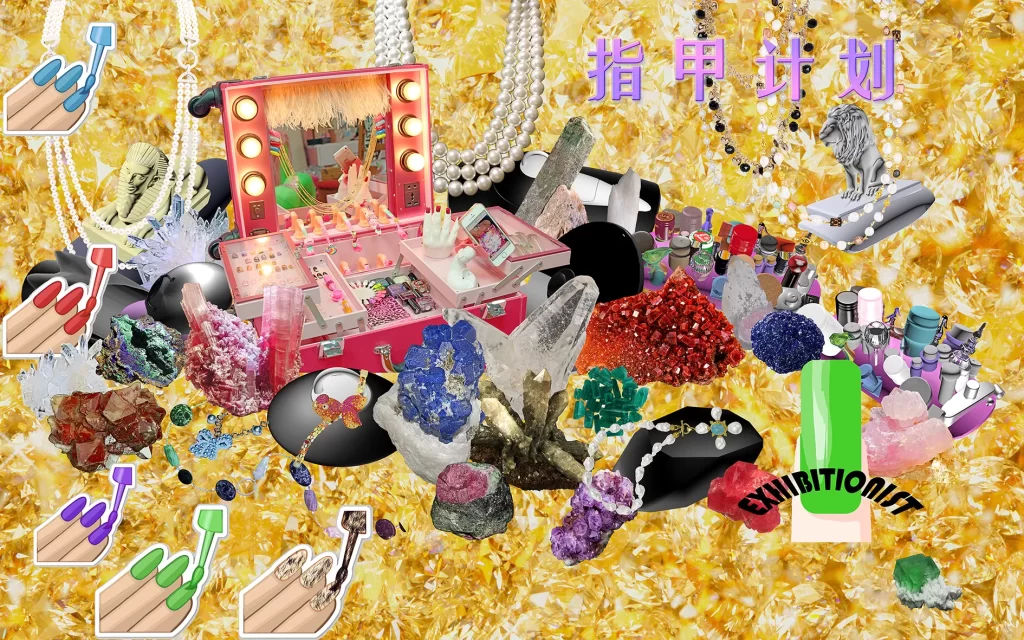
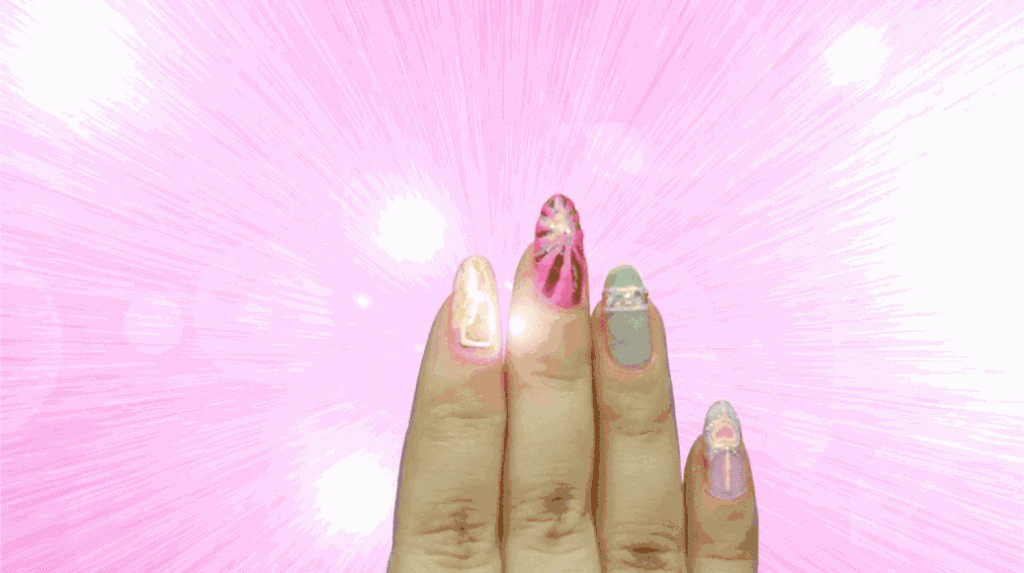
Curated Nails is an experimental curatorial project initiated by artist Ye Funa in 2014. It transforms fingernails, toenails, and the surrounding areas of the body into miniature exhibition spaces, inviting people from both within and beyond the art world to develop exhibitions at the scale of the nail.

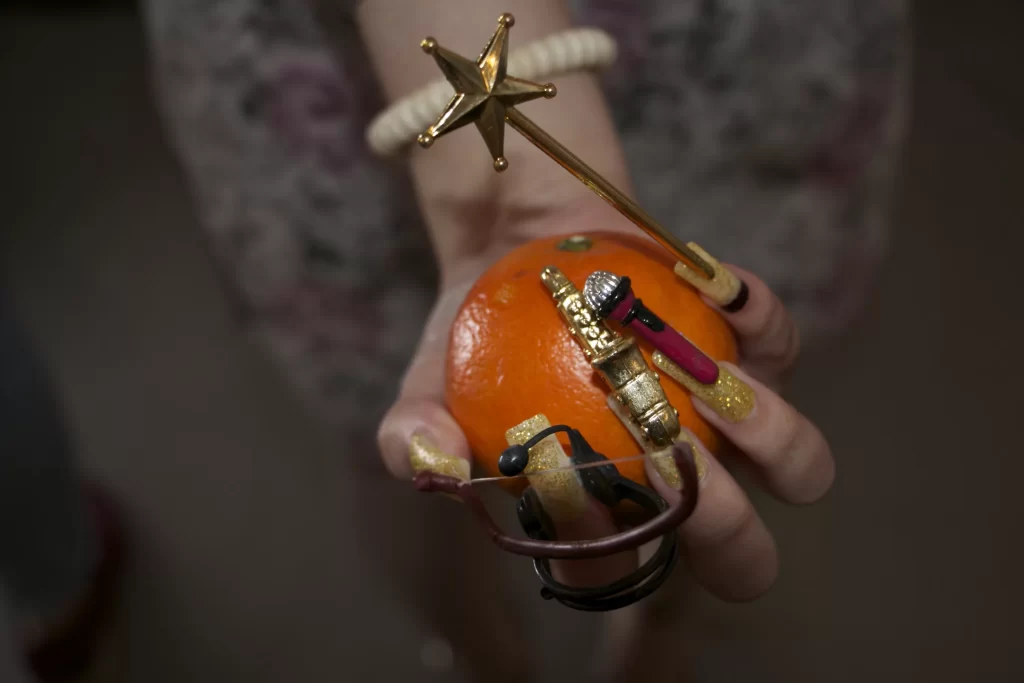
Through painting, sculpture, collage, engraving, digital printing, 3D printing, QR codes, and virtual media, the project challenges the boundaries between nail decoration, bodily display, and contemporary art. Here, an exhibition is no longer confined to a gallery: it can be worn, touched, carried, and circulated through everyday life.
  

What happens to curatorial practice when an exhibition space is reduced to the size of a nail?

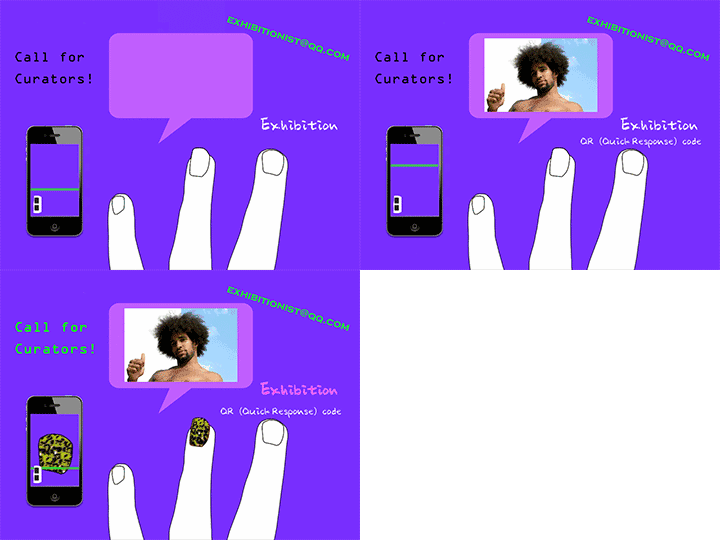
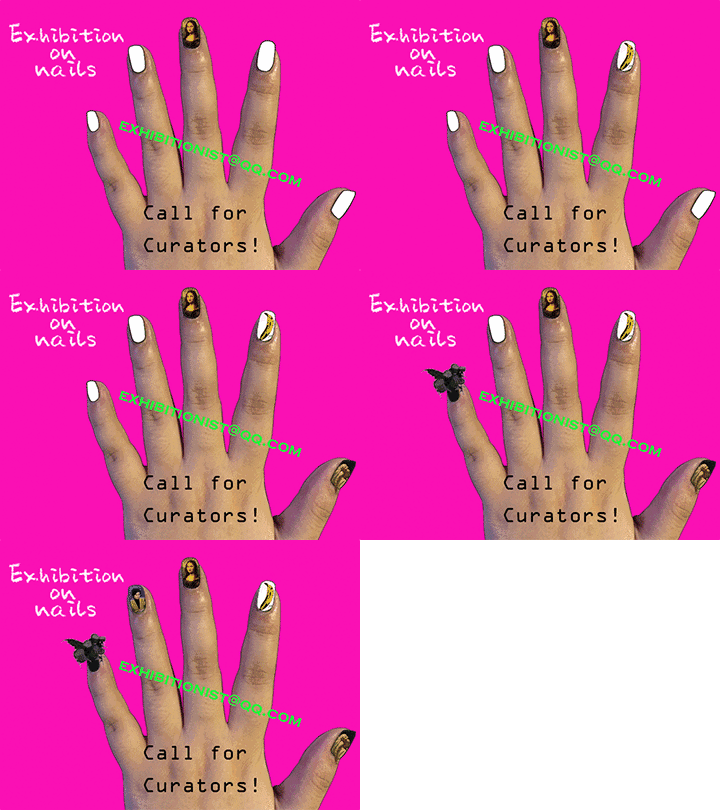
Through an open call, Curated Nails invited participants of different ages, genders, professions, and cultural backgrounds to submit exhibition proposals. No professional curatorial experience was required. Participants could develop projects around the body, technology, social systems, popular culture, personal memory, or everyday life, using any theme, medium, or material.

Ye Funa acts as the project’s initiator, artist, and producer, translating the selected proposals into exhibitions presented on different people’s bodies. The project has incorporated painting, sculpture, engraving, collage, spray printing, 3D printing, QR codes, digital images, and other experimental techniques.

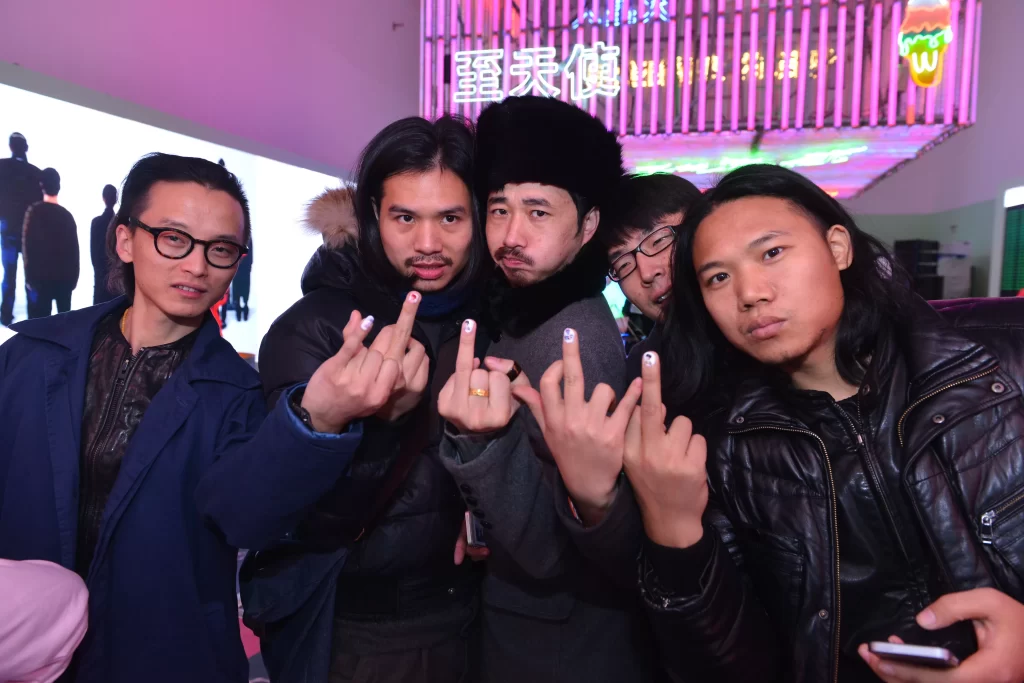
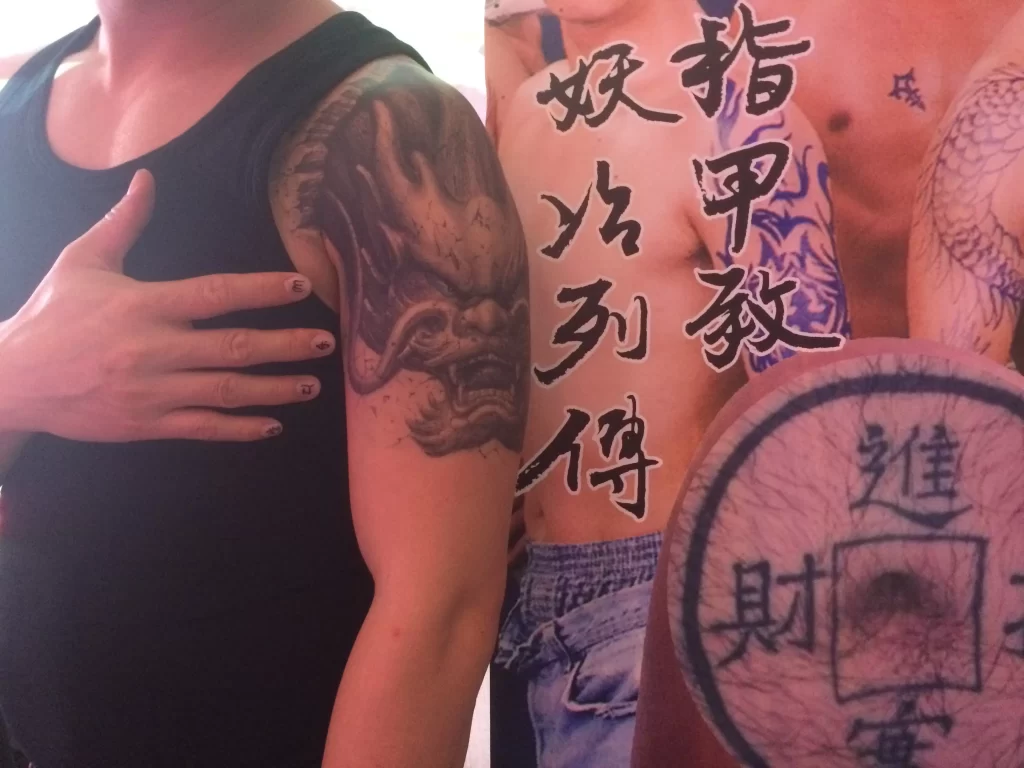
Rather than being installed inside a conventional gallery, these exhibitions are worn on fingers and toes. They travel with the body into streets, parties, museums, art fairs, music events, and private spaces. The wearer becomes the exhibition site, the audience, the participant, and the means through which the work circulates.

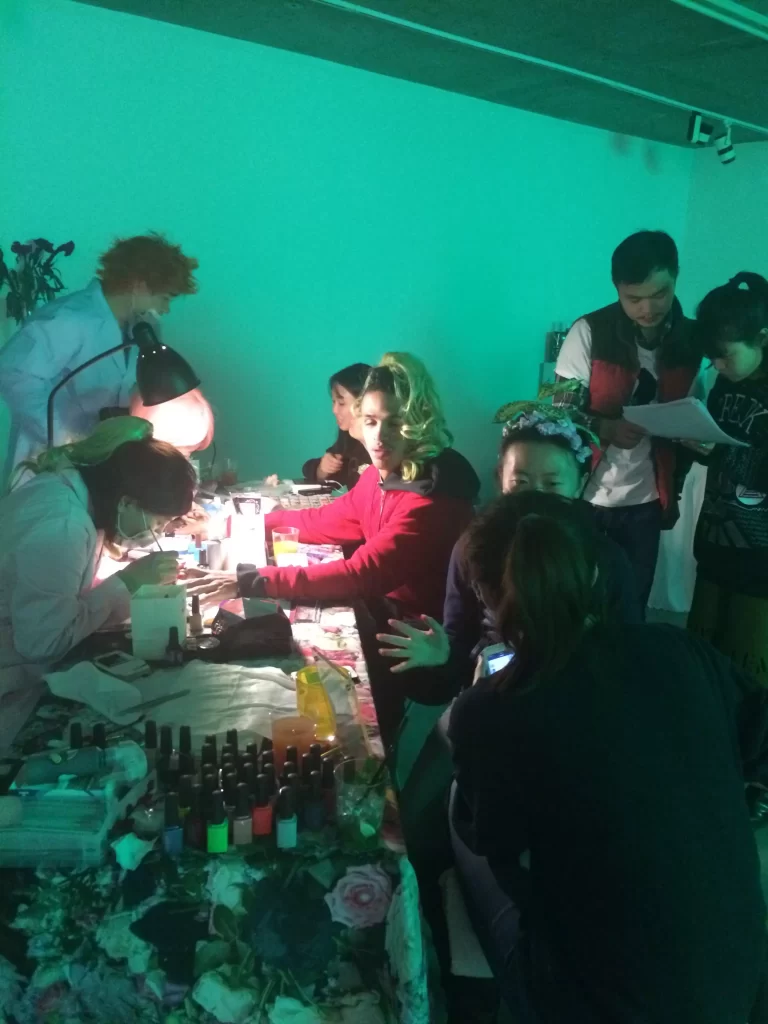
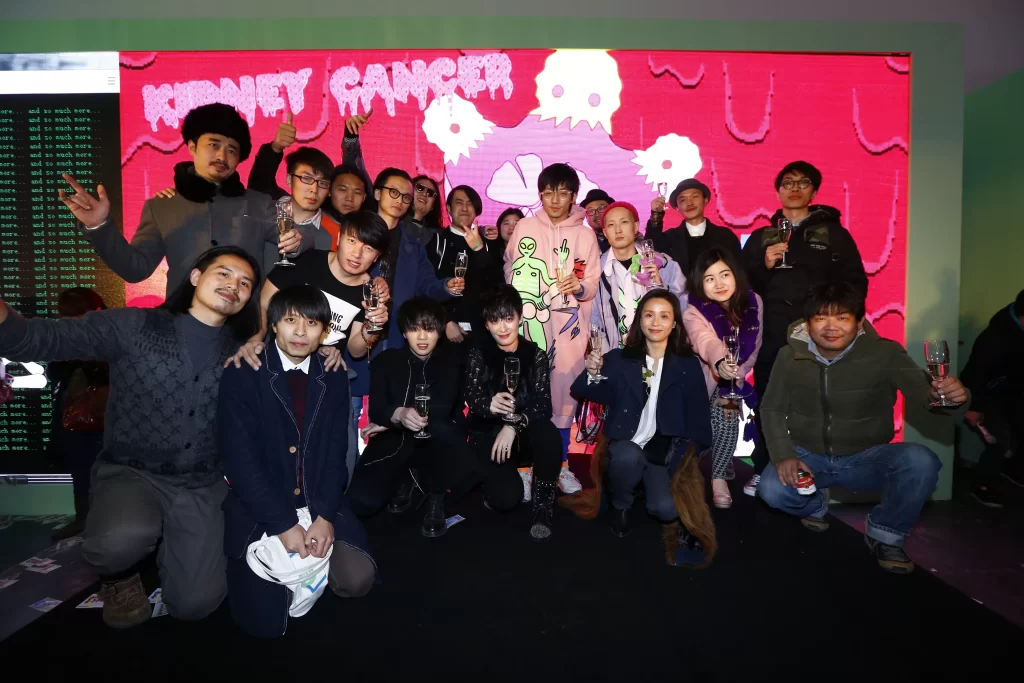
Curated Nails explores the relationship between bodily decoration and artistic display, private identity and public space, artists and curators, and professional art institutions and everyday participation. During its initial phase, the project received more than 110 proposals from participants inside and outside the art world, realised nearly 50 nail exhibitions, and organised a series of exhibitions, workshops, pop-up nail salons, parties, and public events across Beijing, Shanghai, Nanjing, and Hangzhou.

Curated Nails turns the body into a mobile museum and proposes curating as an everyday practice anyone can participate in.
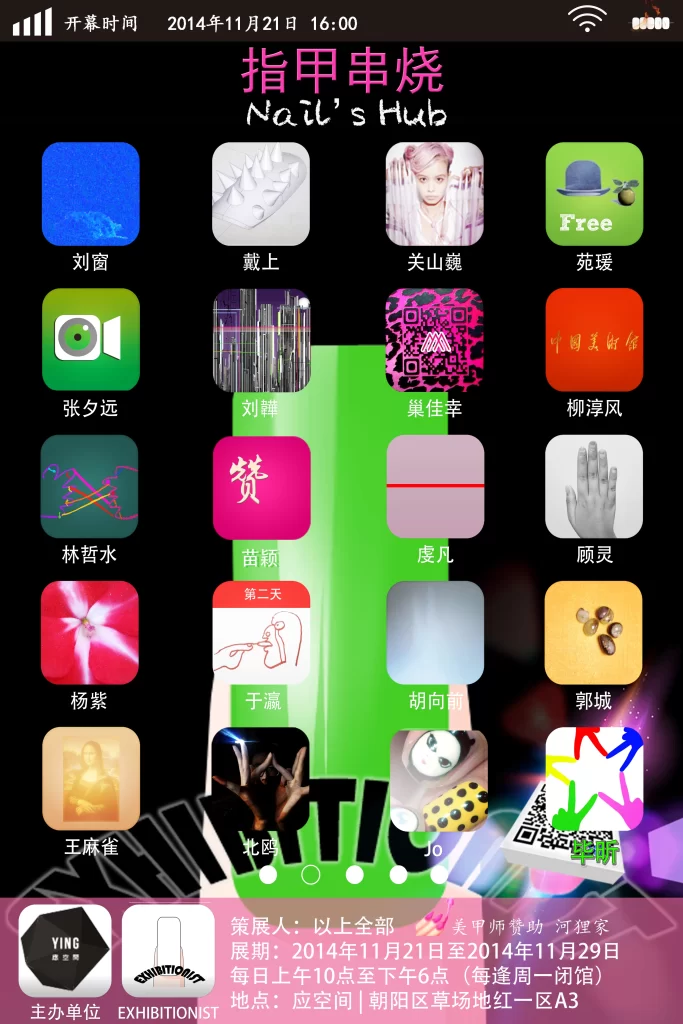
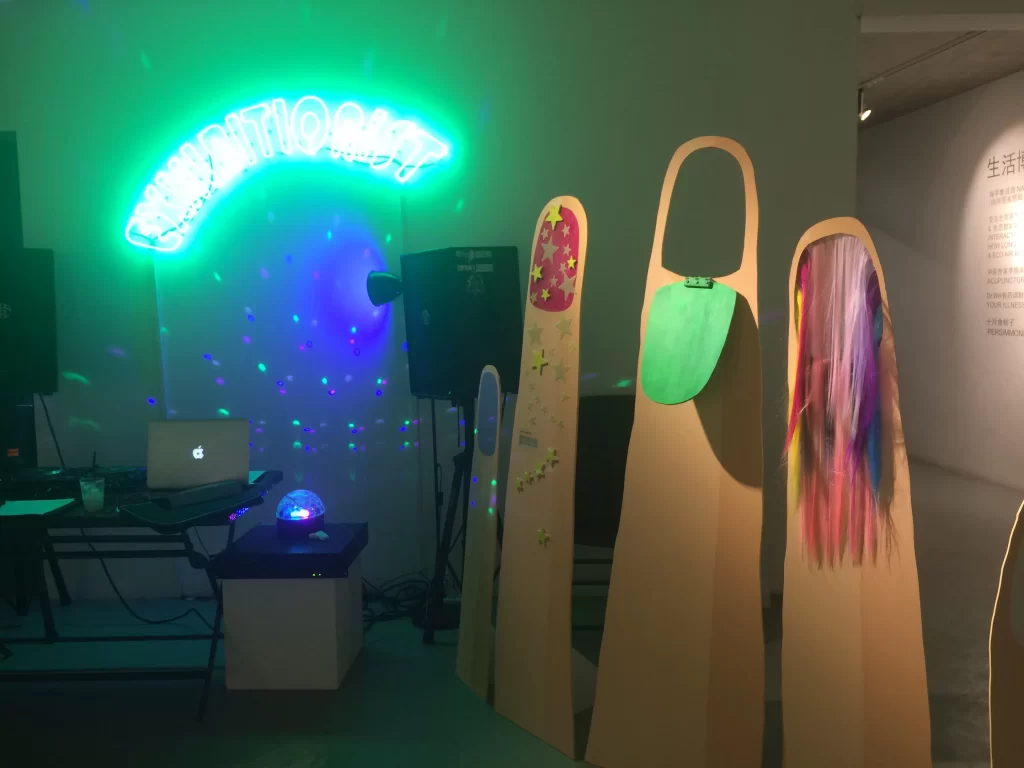
    

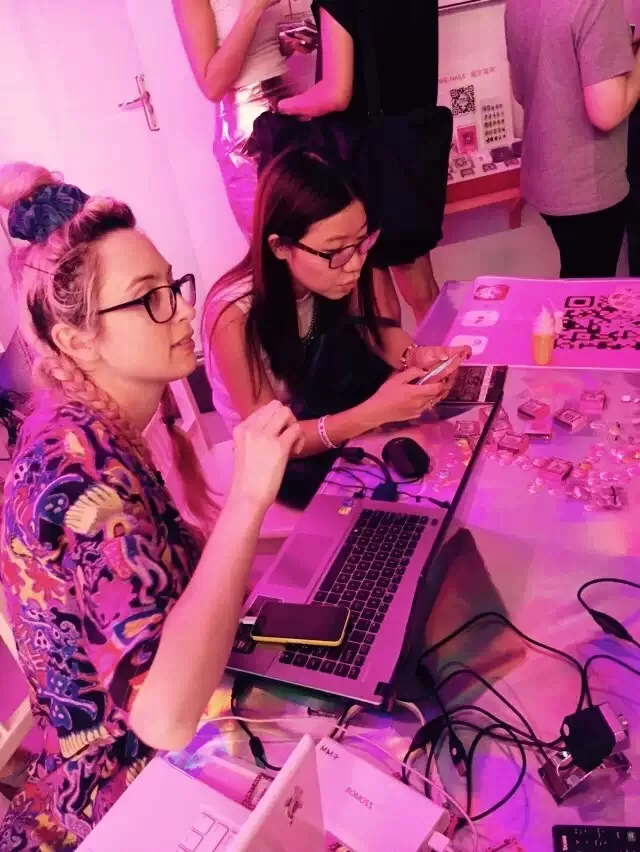
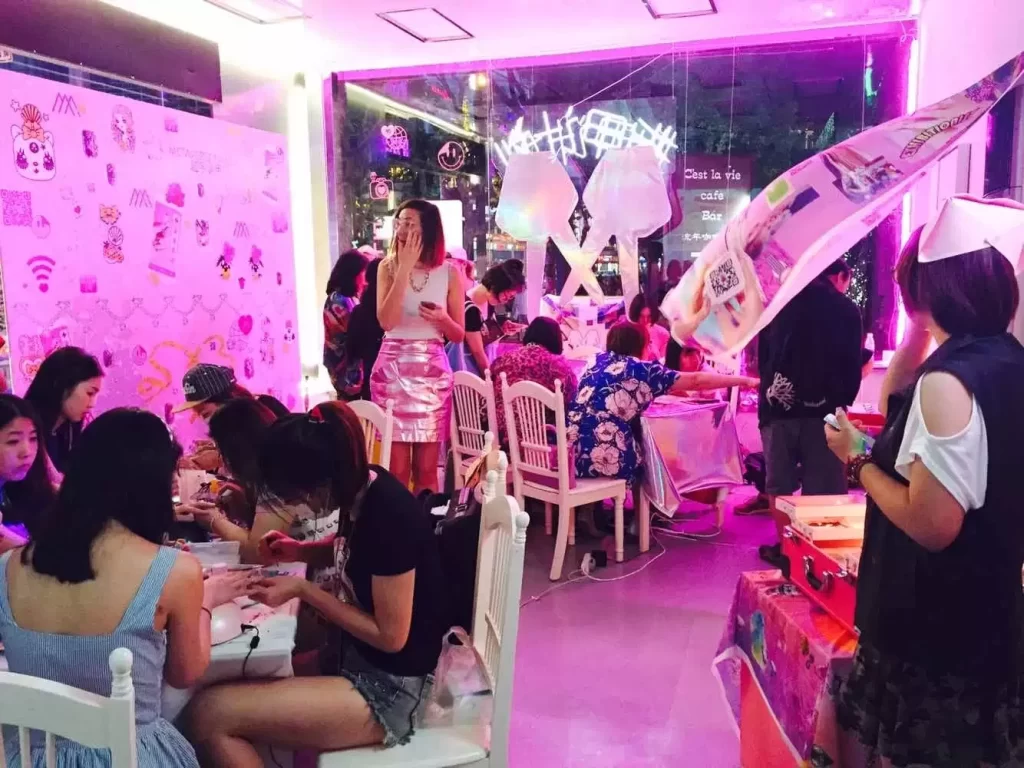
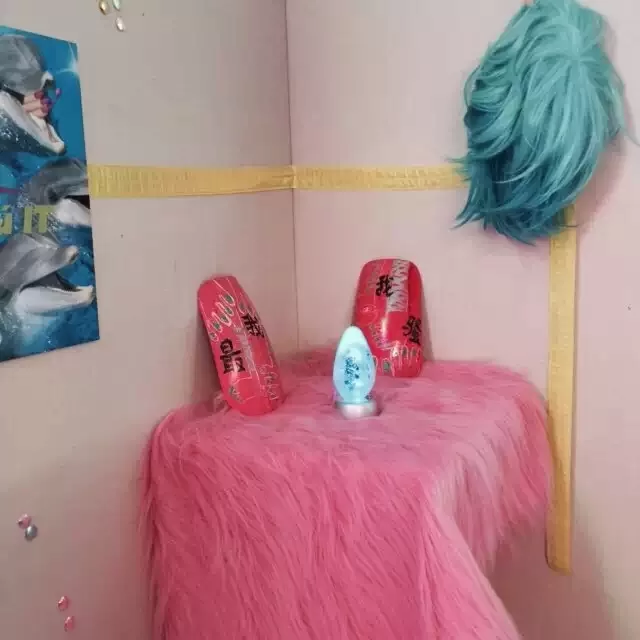
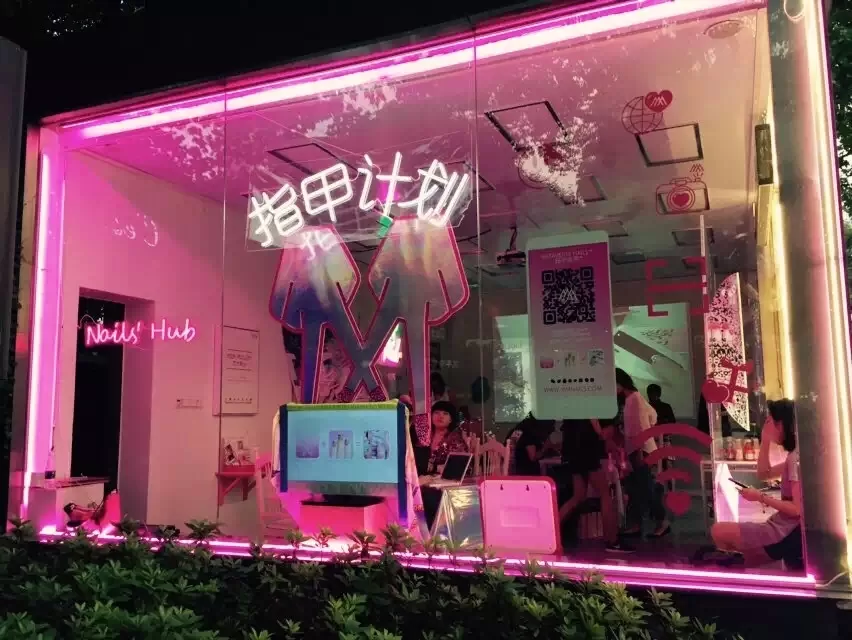
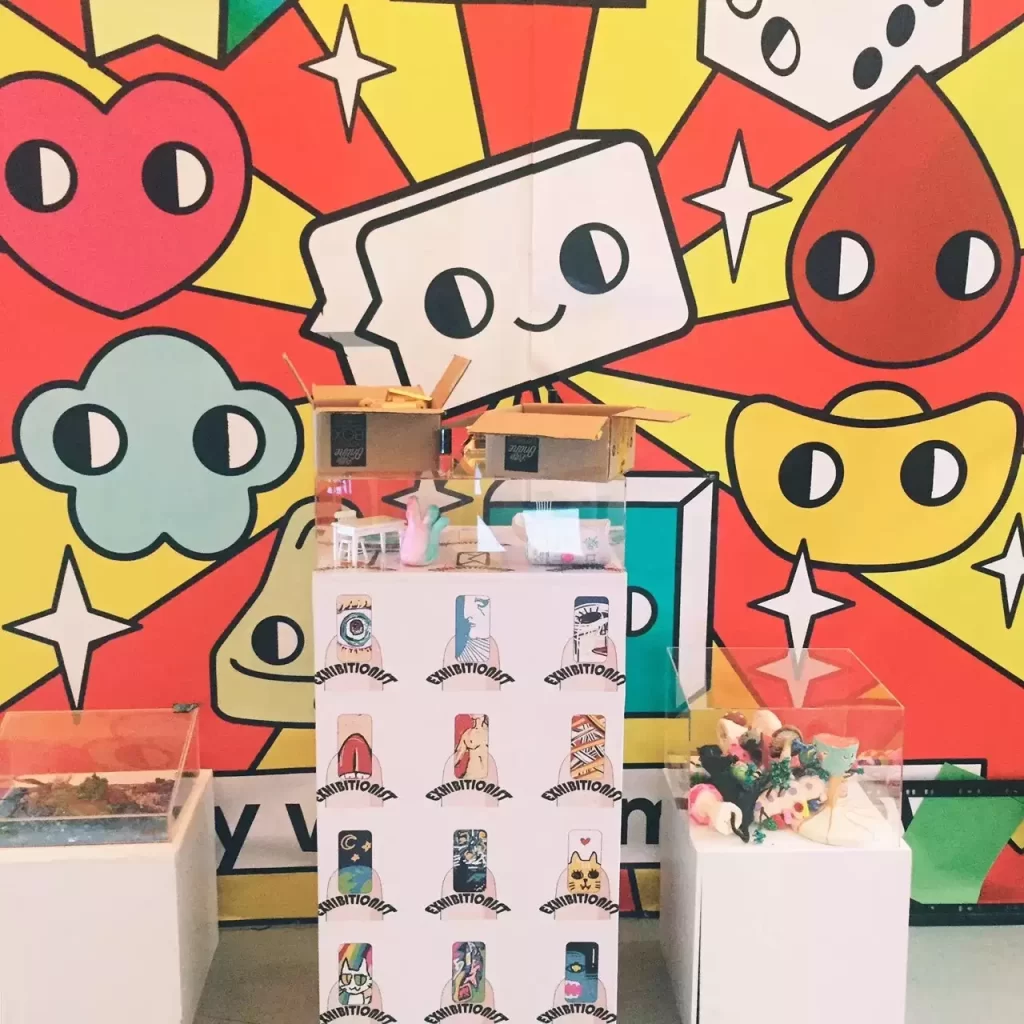
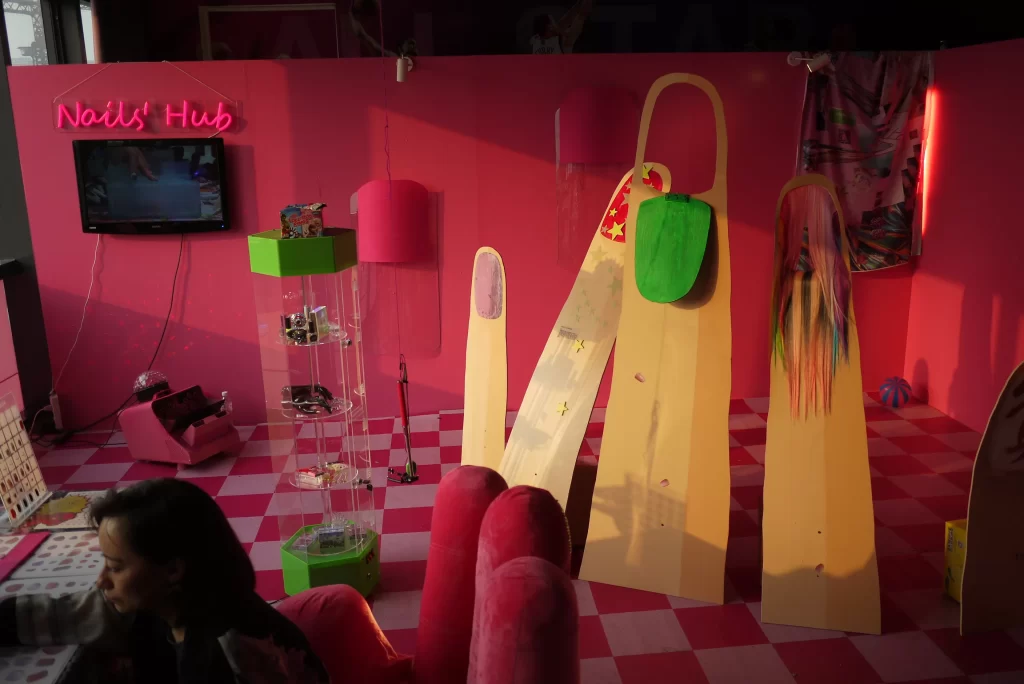
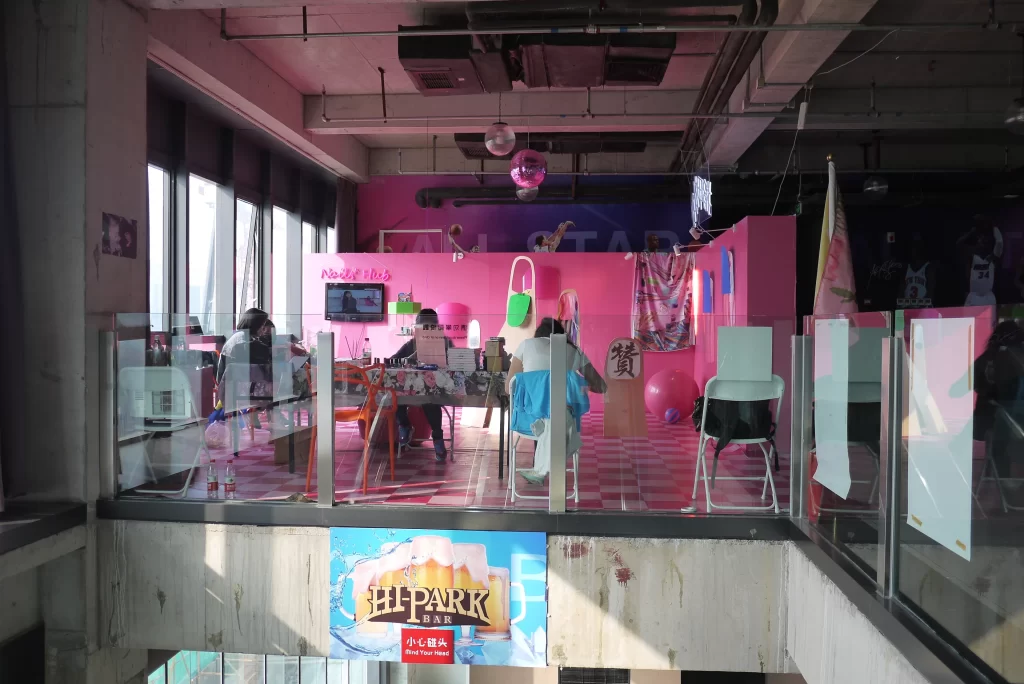
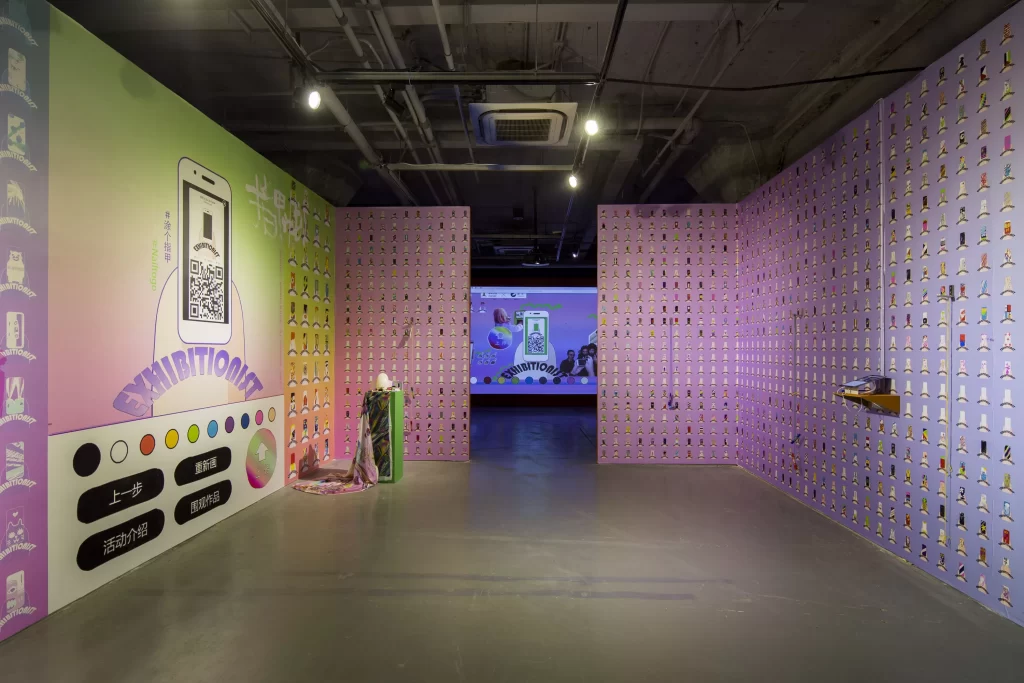
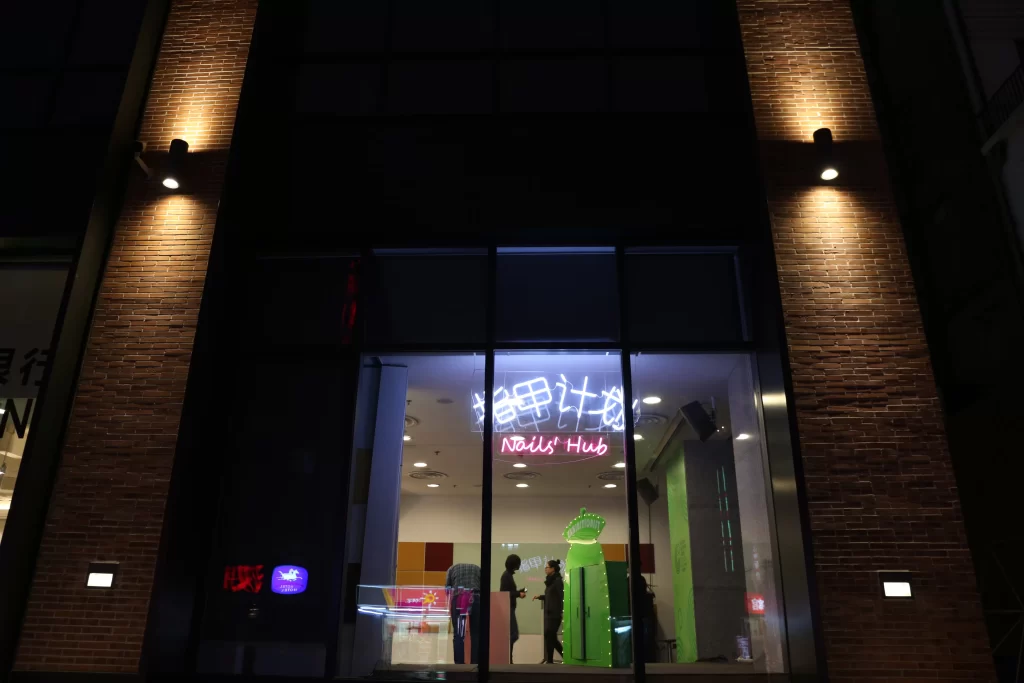
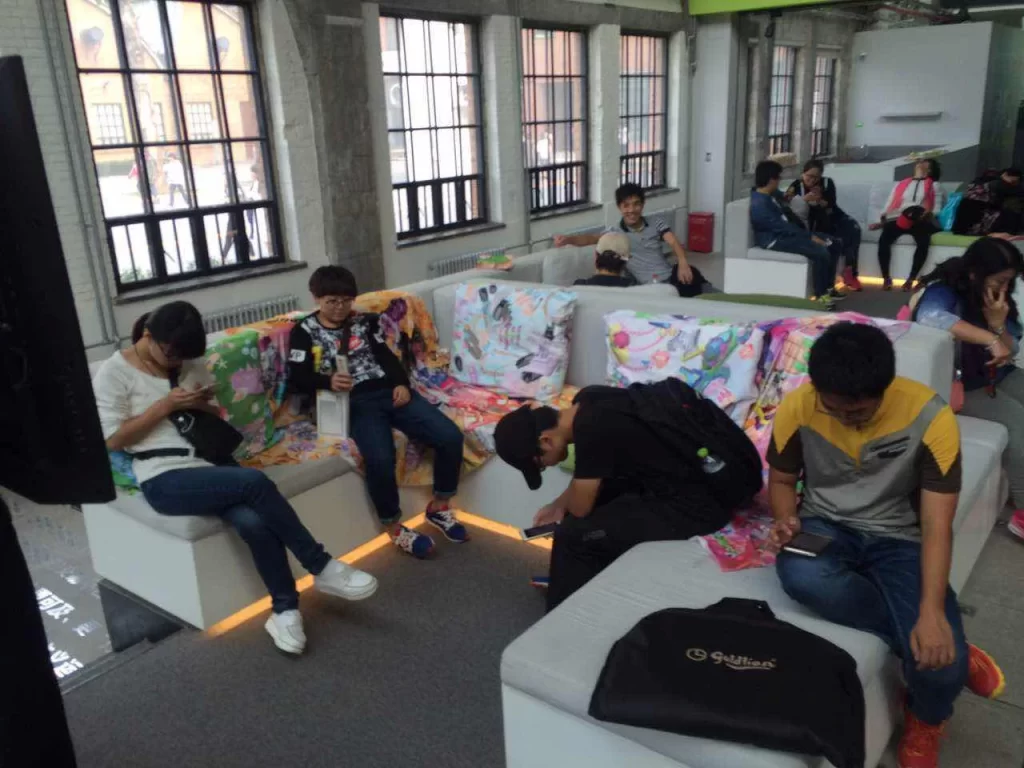
Installation view of Life Expo: Nails’ Hub, Ying Space, Beijing.
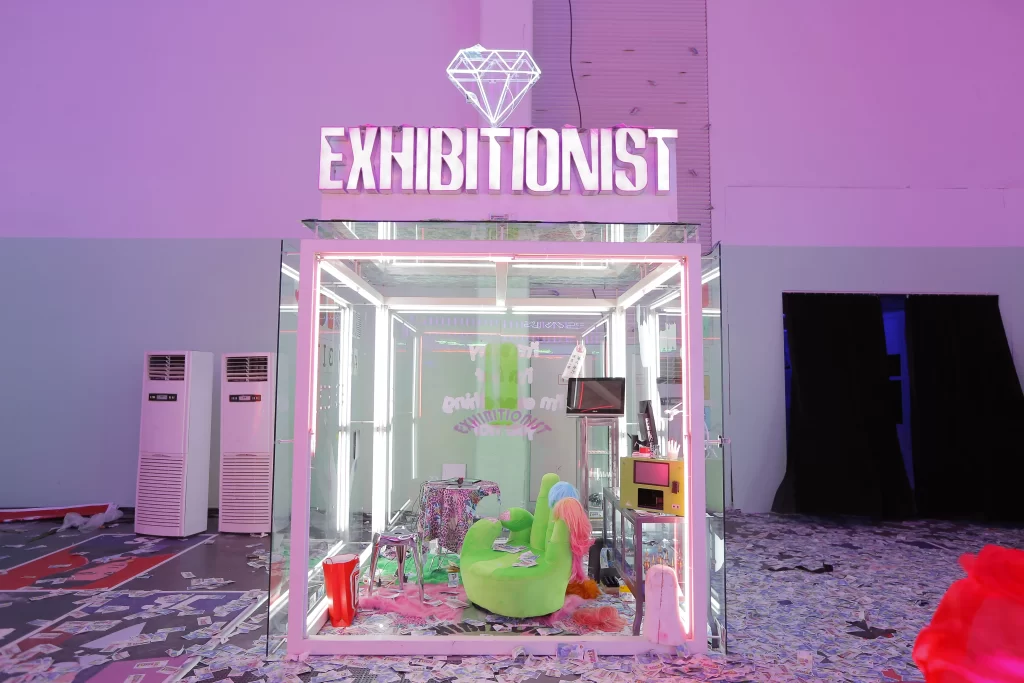
     

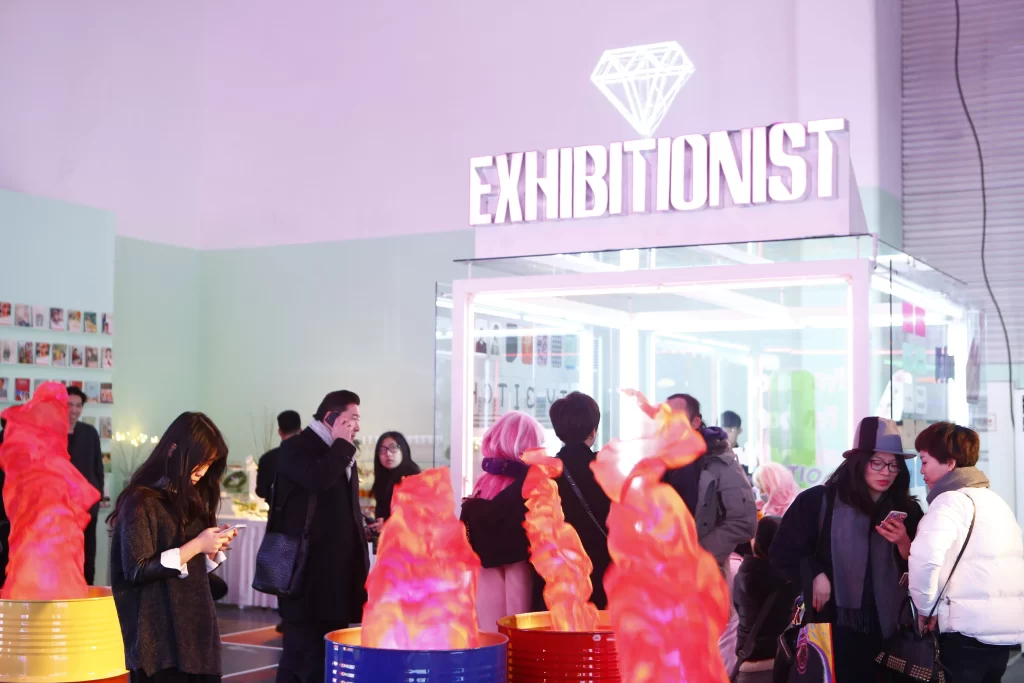
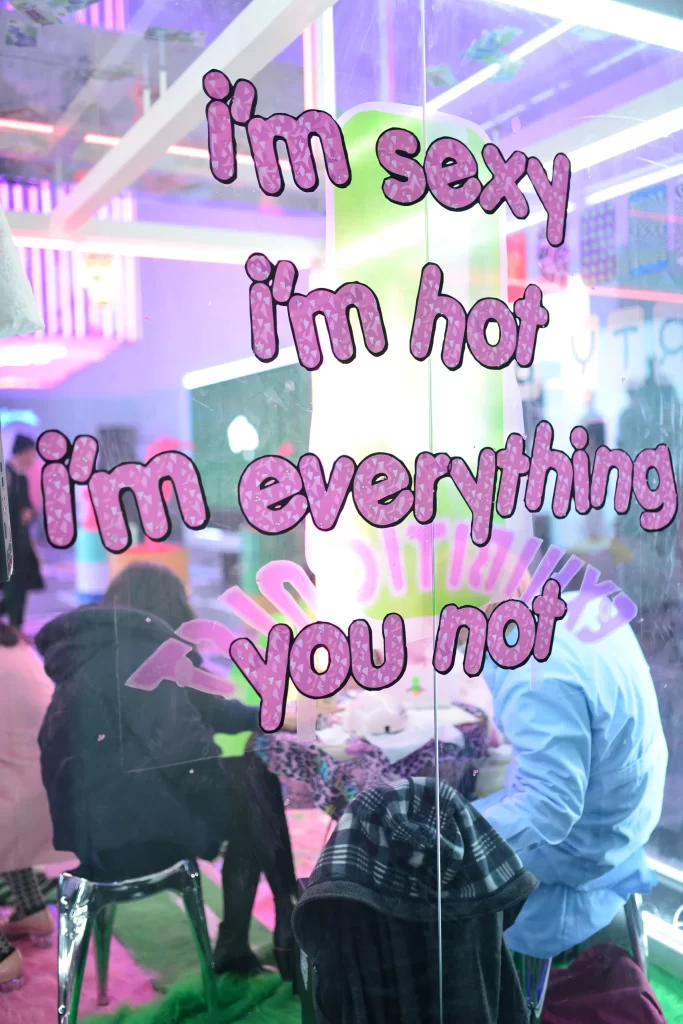
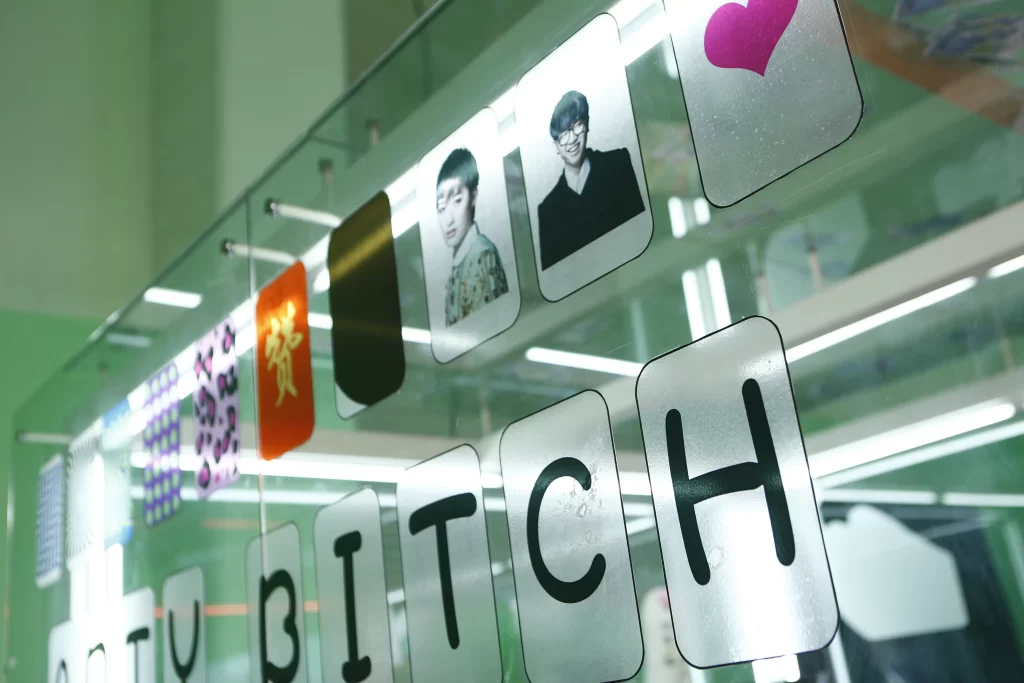
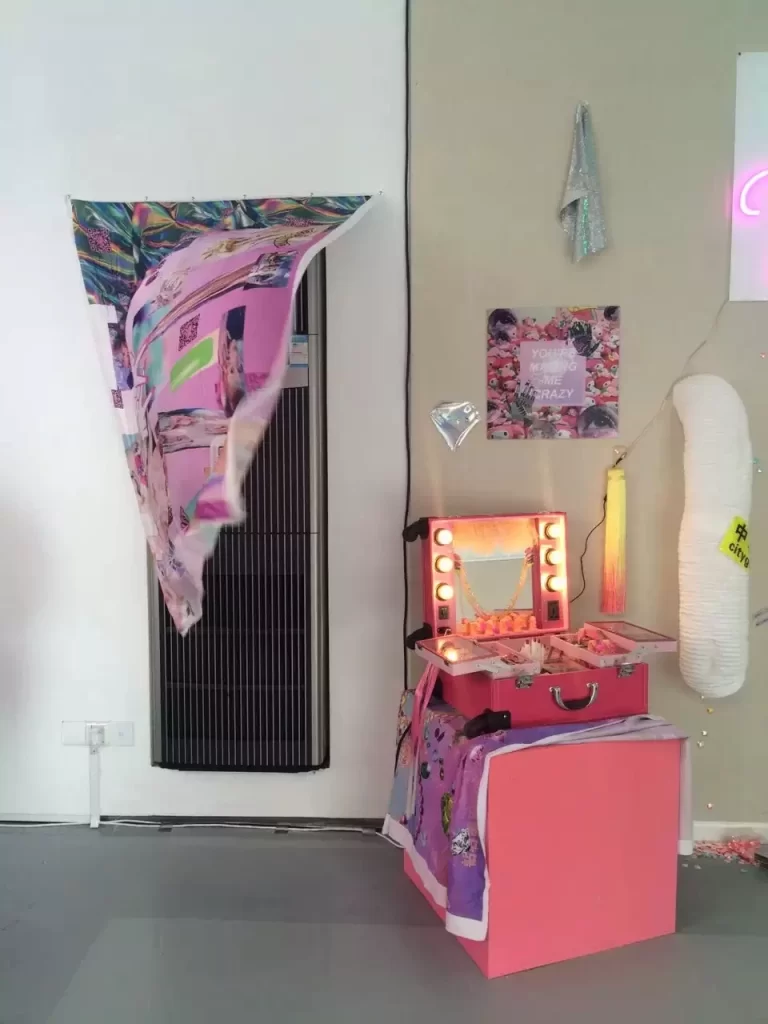
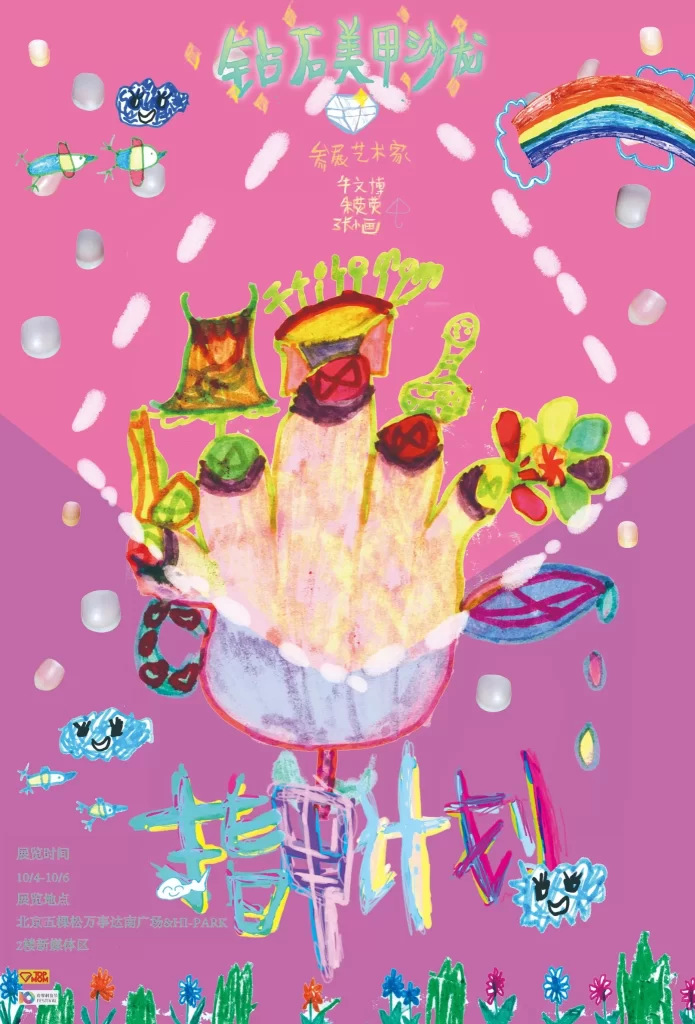
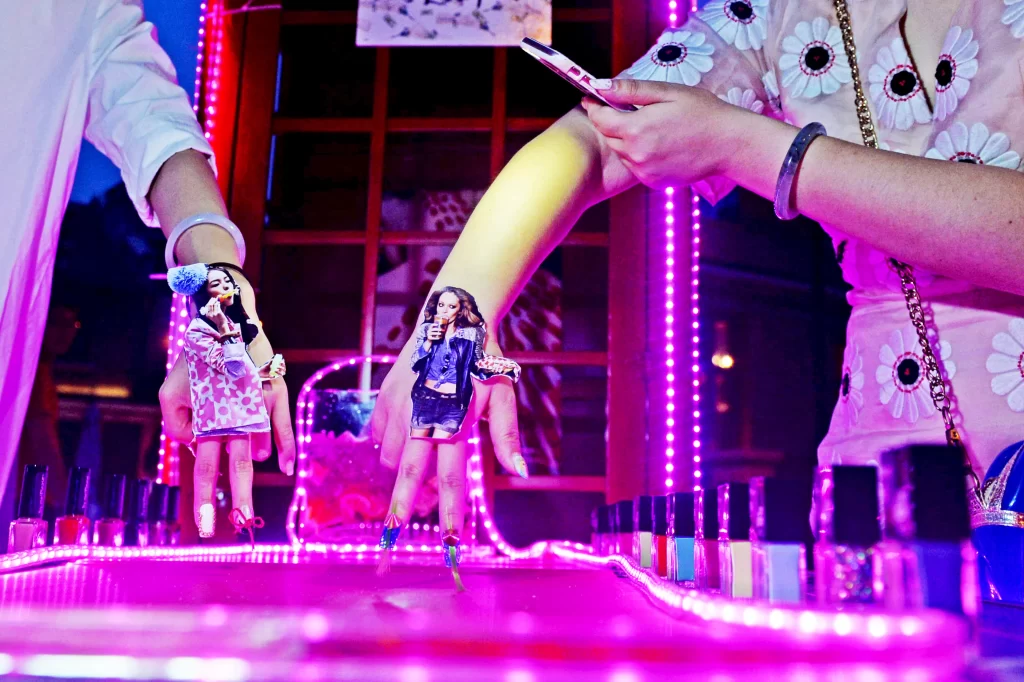
Installation view of Tomorrow’s Party: Diamond Nail Salon, UCCA Center for Contemporary Art, Beijing. 2014.
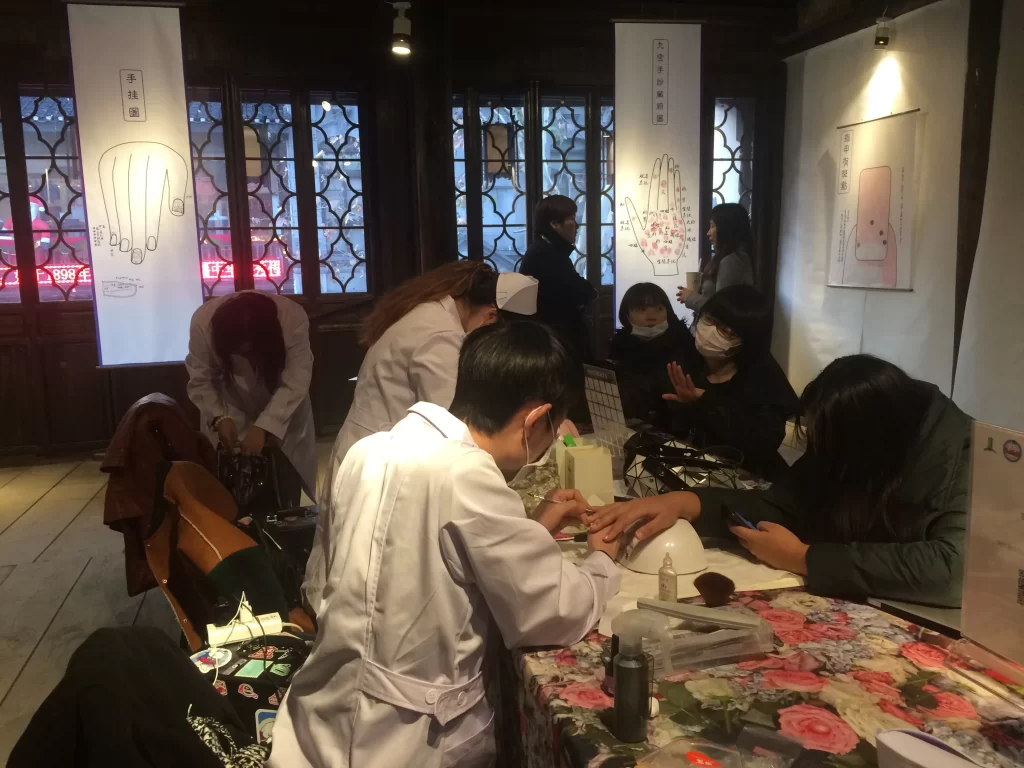
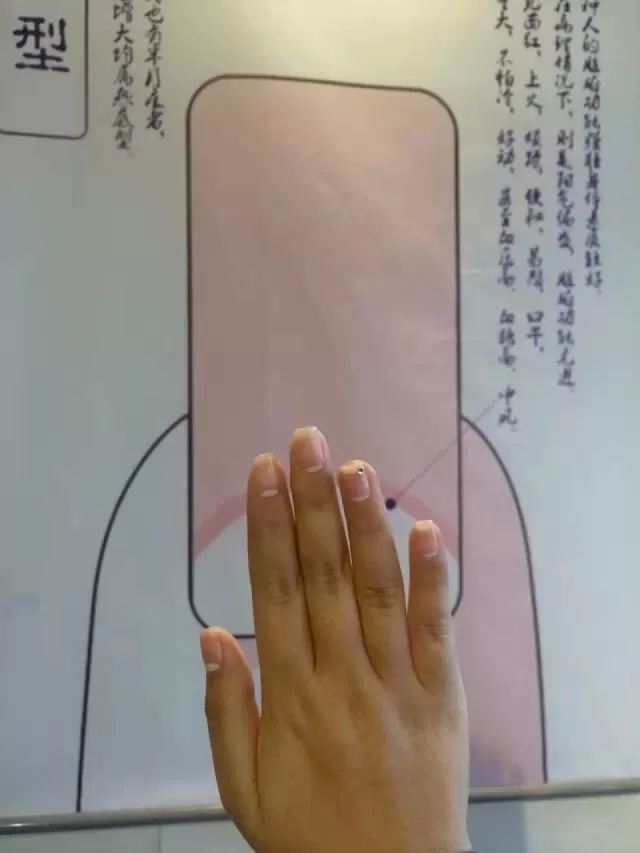
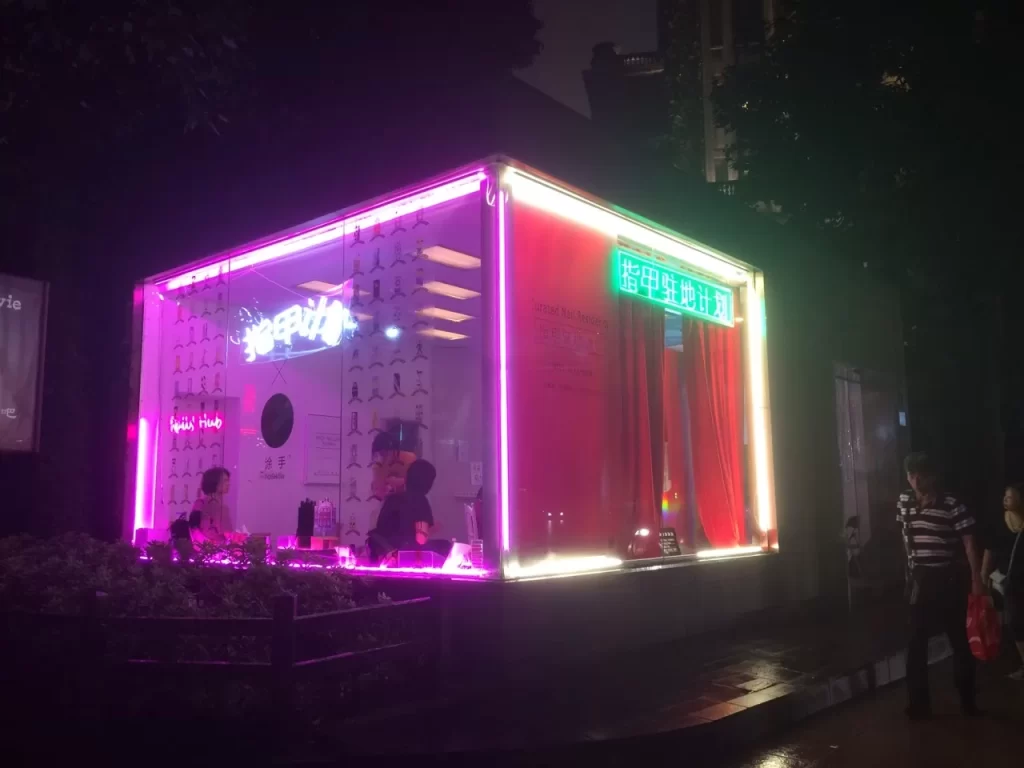
Installation view of The Perfect Nail Clinic for Healthy Bodies, Hangzhou Design Week, One-Way Space, Hangzhou.

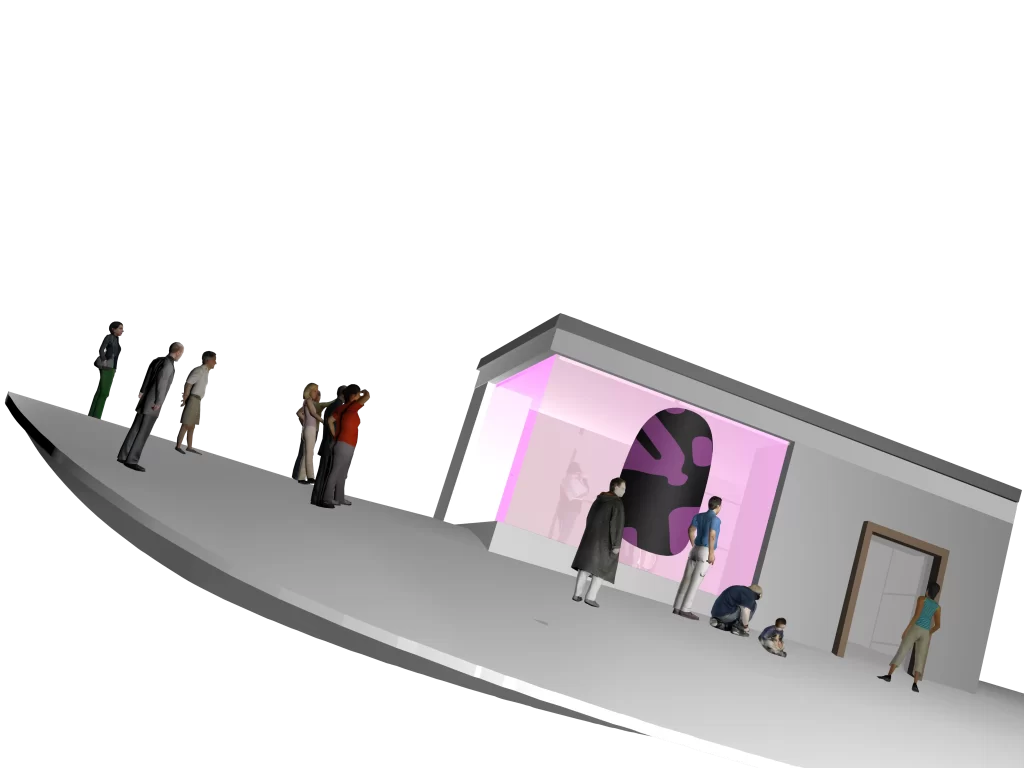
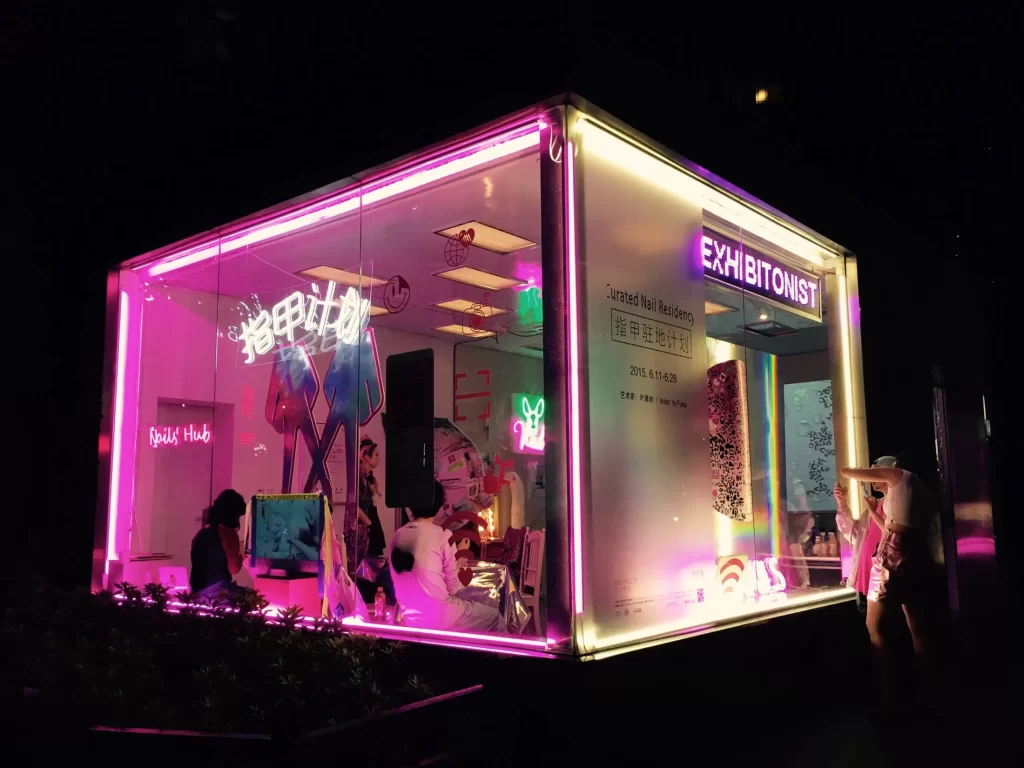
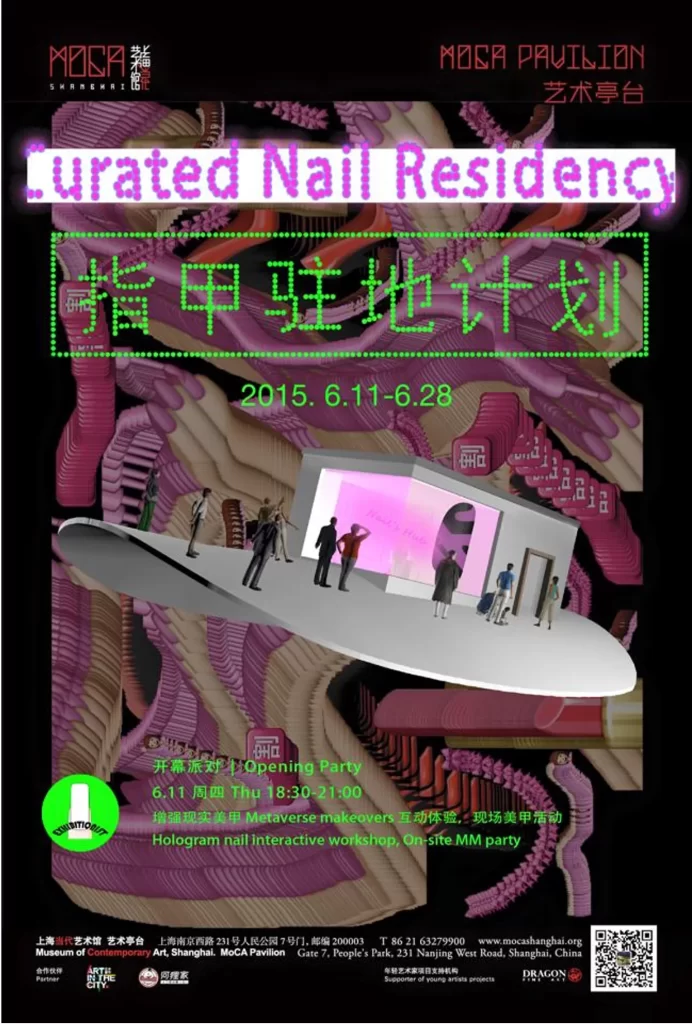
Curated Nail Residency

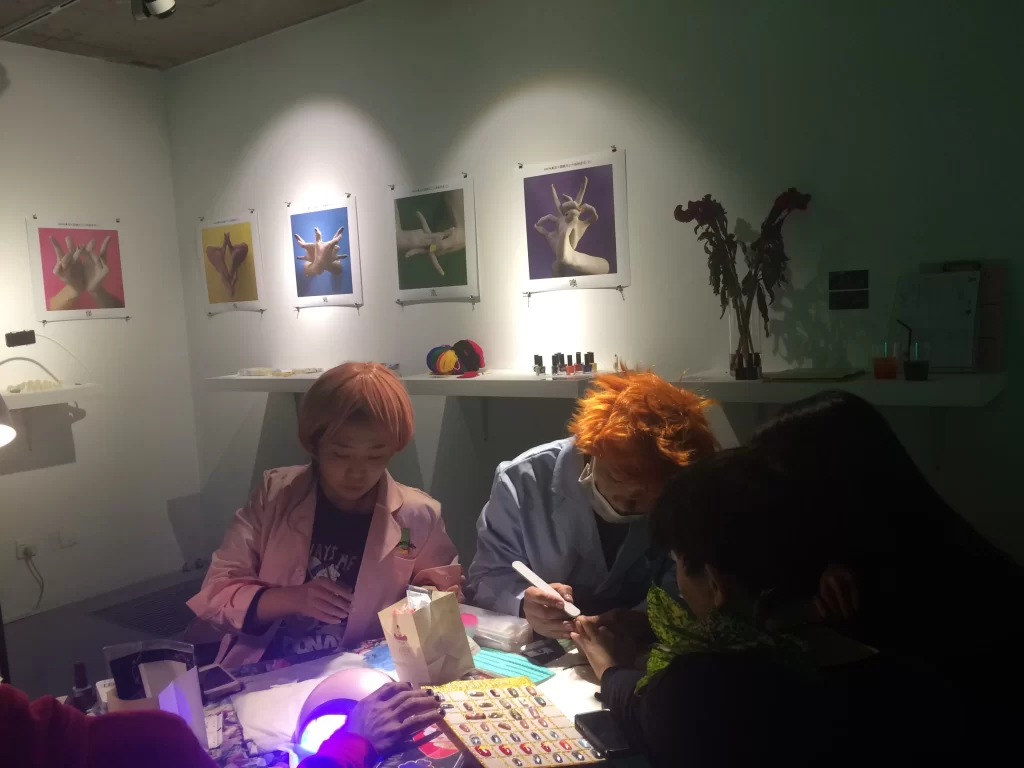
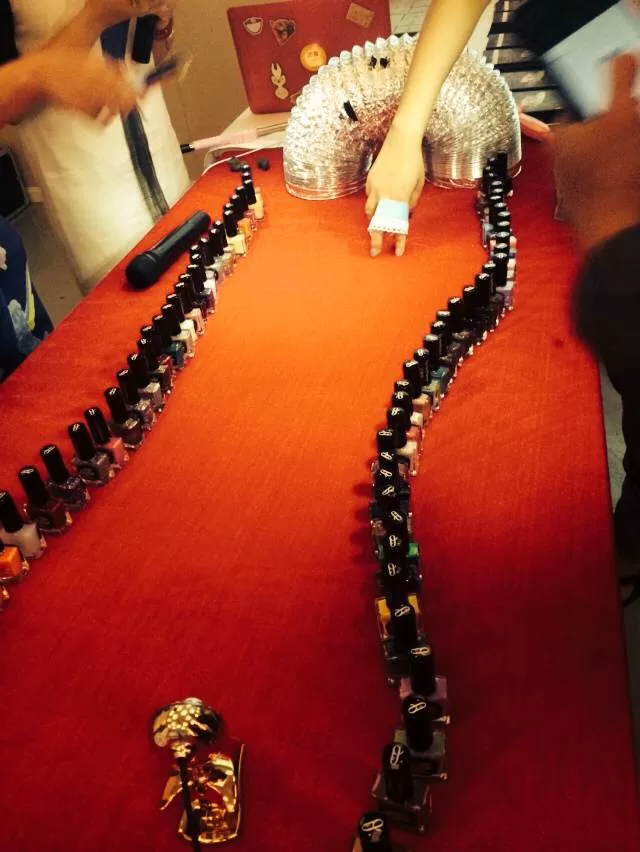
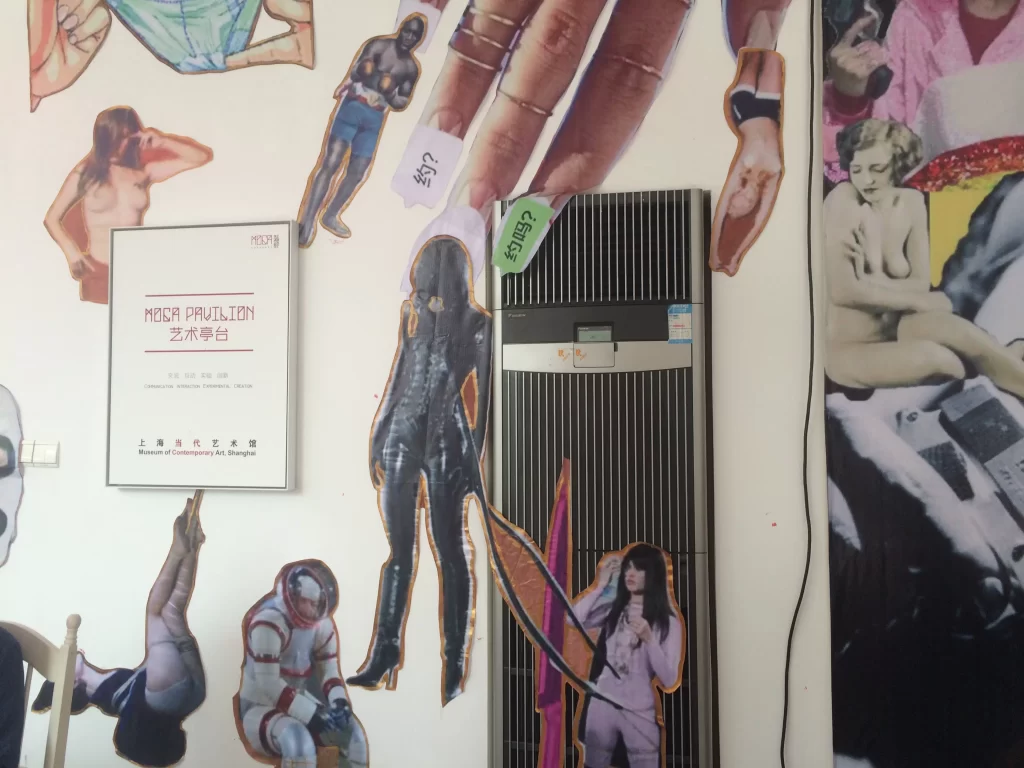
As part of Curated Nails, Funa Ye brought the Curated Nail Residency to the MoCA Pavilion. Artists, curators, and nail technicians were organised into three collaborative groups, working across interactive media, internet art, digital platforms, painting, curatorial discussion, performance, and nail products.

Through collective experimentation, discussion, research, and hands-on practice, the residency explored the nail as a distinctive exhibition space, artistic medium, and site of social interaction. Throughout the programme, participating artists presented a public series of workshops, lectures, exhibitions, and performances.


Curated Nails Residency Programme,MOCA Pavilion, Museum of Contemporary Art Shanghai, Shanghai. 2014.


Nail Museum

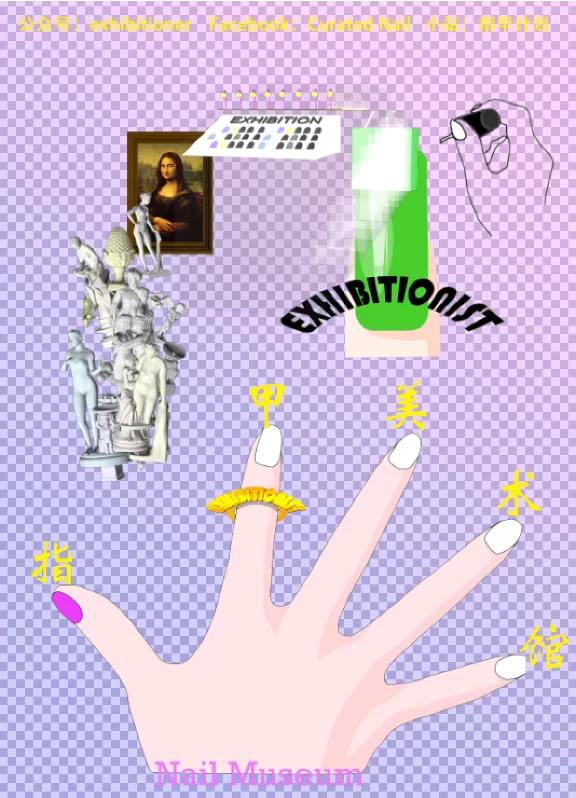
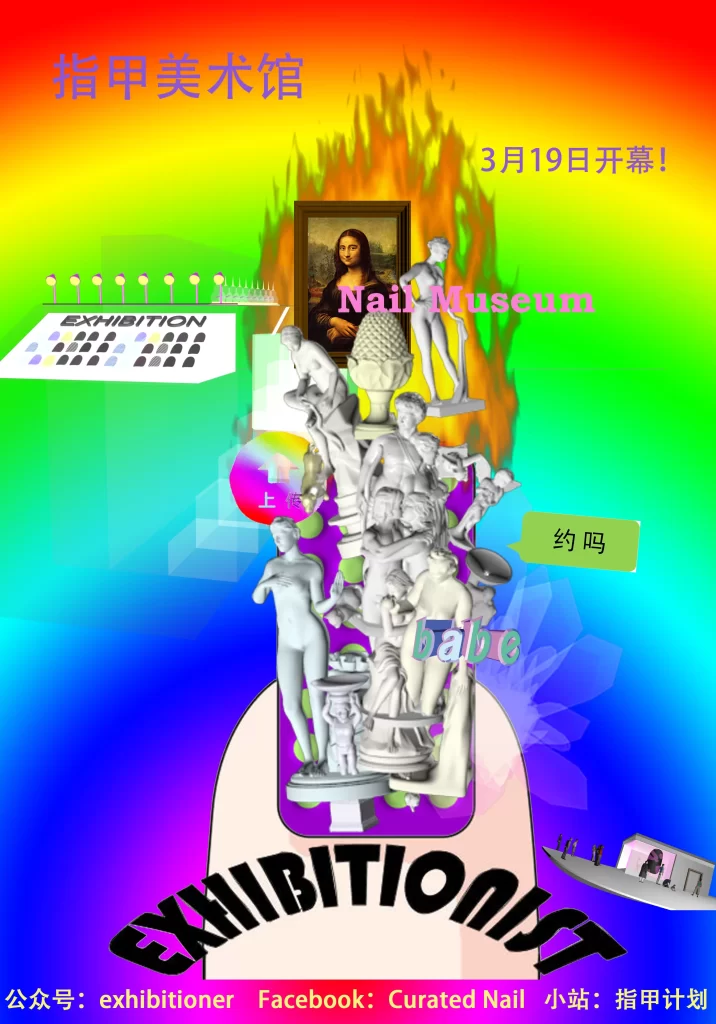
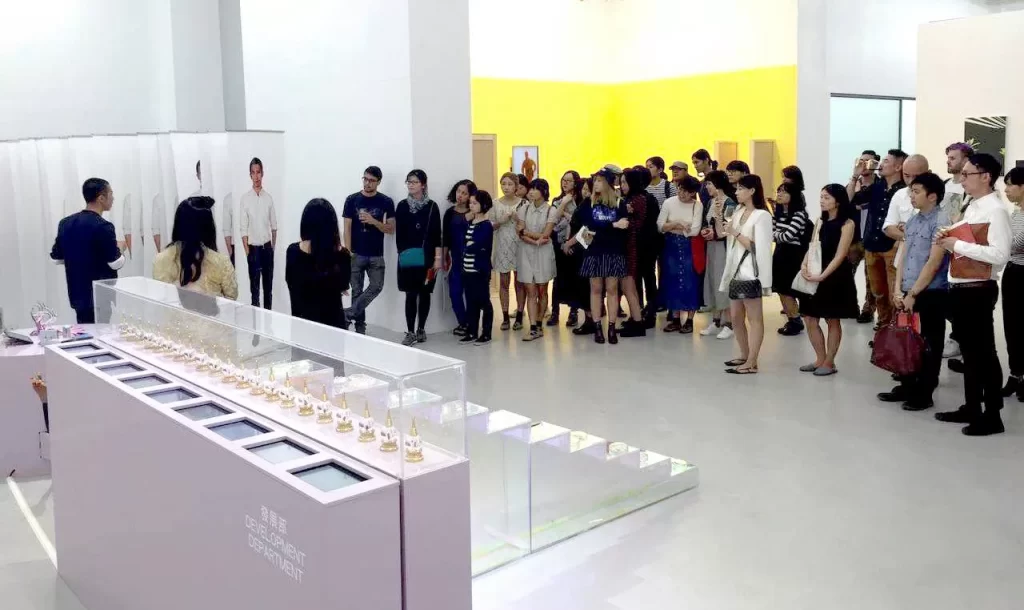
Nail Museum imagines the museum of the future as an institution that exists on the human nail. Each person’s fingernails become a miniature, mobile museum in which the conventional functions of an art institution—exhibition, collection, research, education, communication, entertainment, and administration—are compressed into the smallest visible surface of the body.

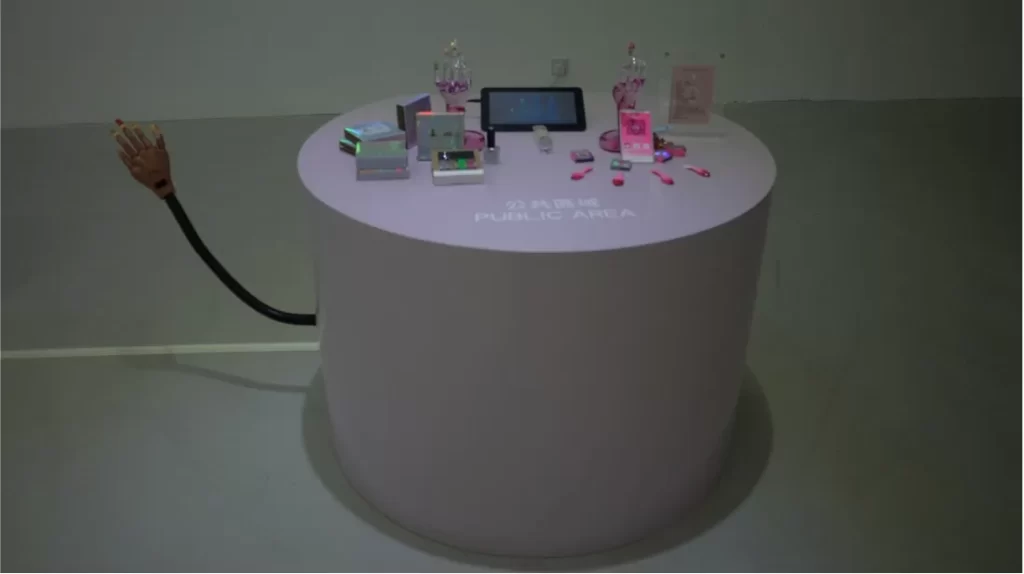
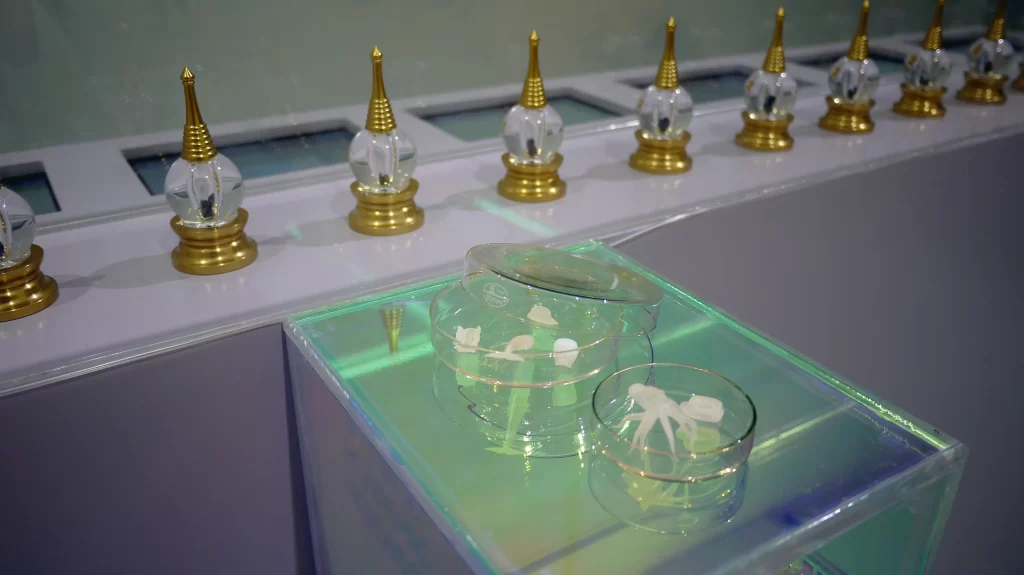
The project presents a speculative museum model divided into six departments: Exhibition, Collection, Institute, Development, Public Area, and Museum Director. By transferring the organisational structure of a museum onto the nail, the work questions whether an art institution requires a permanent building, and proposes the body itself as an exhibition architecture, archive, public platform, and system of circulation.

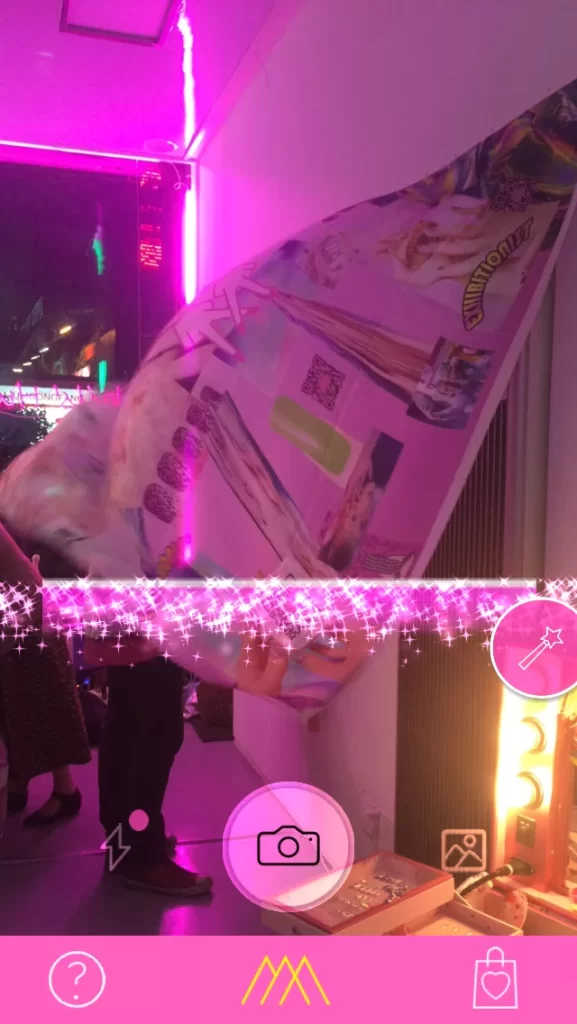
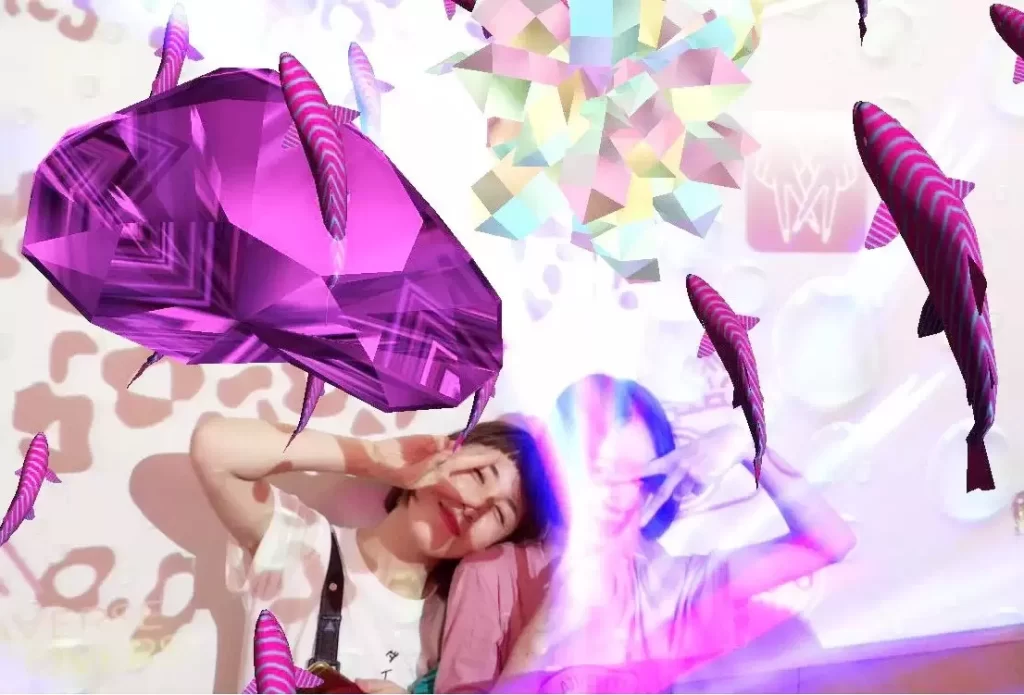
Nail Museum also extends into a digital and augmented-reality environment. Through an interactive application, a camera identifies the viewer’s fingers and overlays virtual artworks, animations, and simulated nail designs directly onto the hand. These digital exhibitions can be experienced in real time and shared through social media, allowing the museum to travel with its audience and continually generate new forms of participation.

Rather than treating the nail merely as a decorative surface, Nail Museum uses it to reconsider the scale, authority, and physical boundaries of the museum. It proposes a future institution that is personal yet public, temporary yet archivable, and embedded within the gestures and movements of everyday life.

Nail Museum, installation view at Today Art Museum, 2015.

Sustainable Production and Consumption, group exhibition, Starprojects, Hong Kong, 2015–2016.

People’s Nail Congress

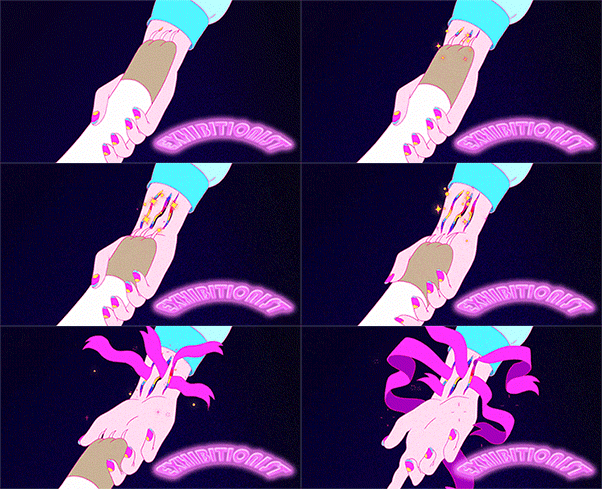
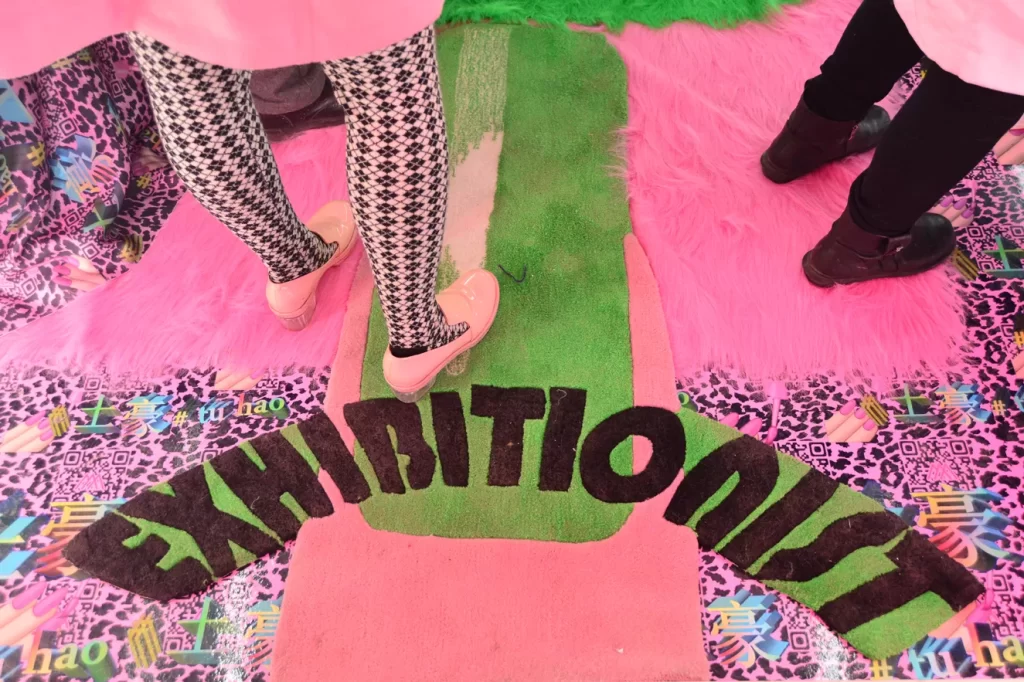
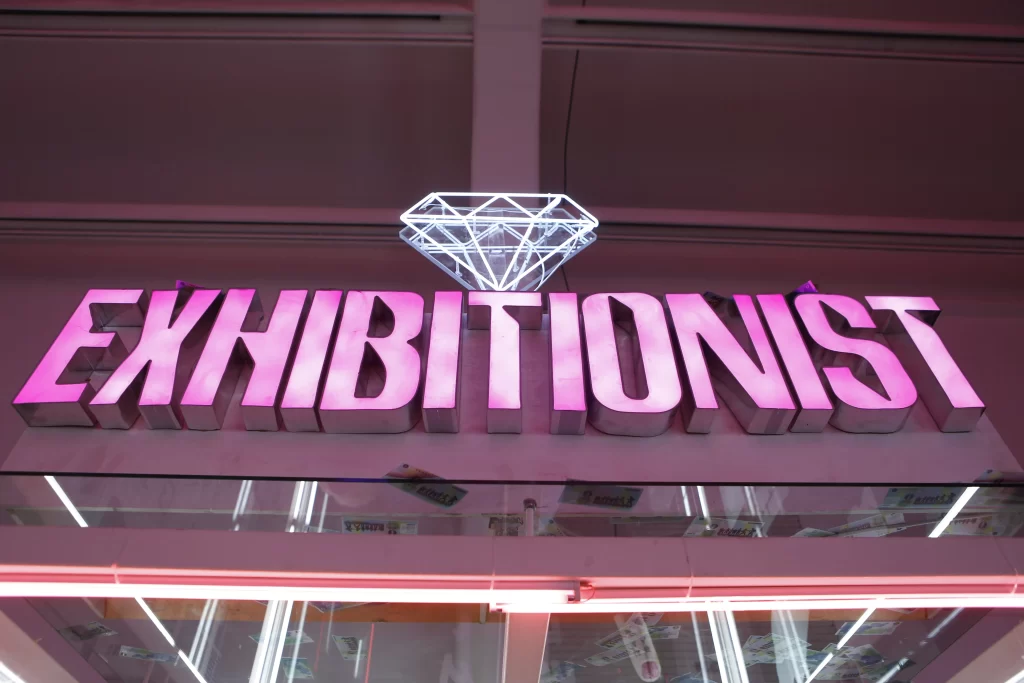
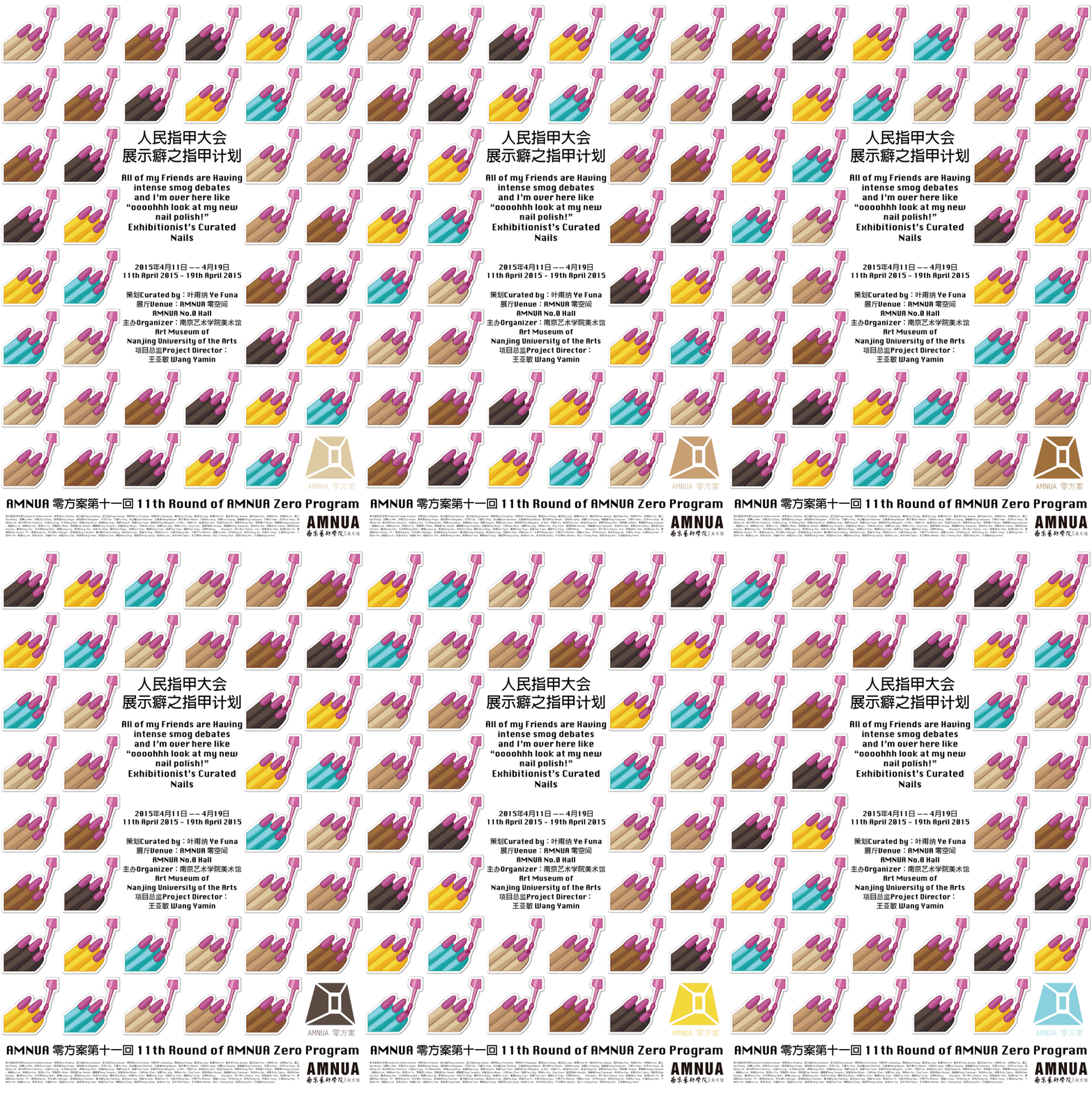
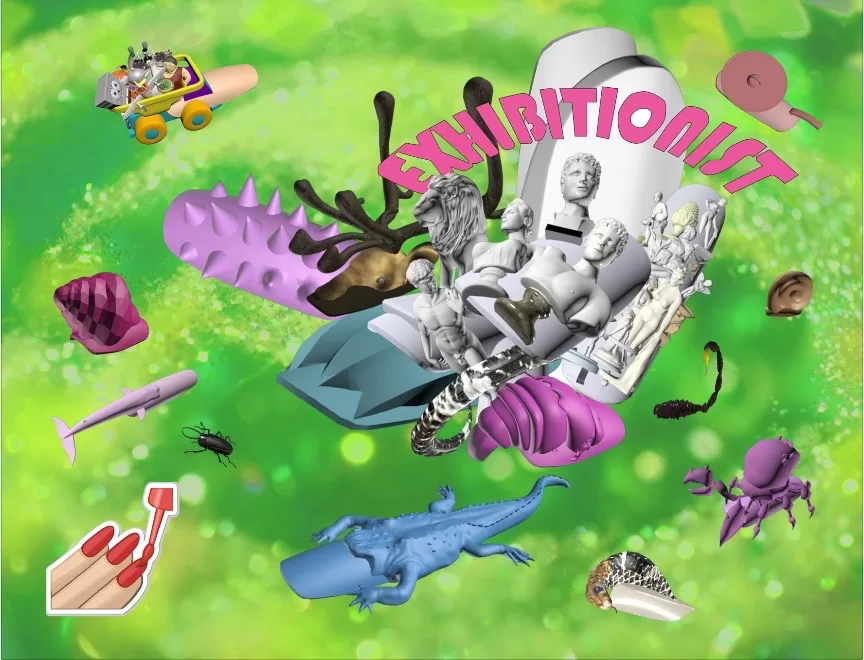
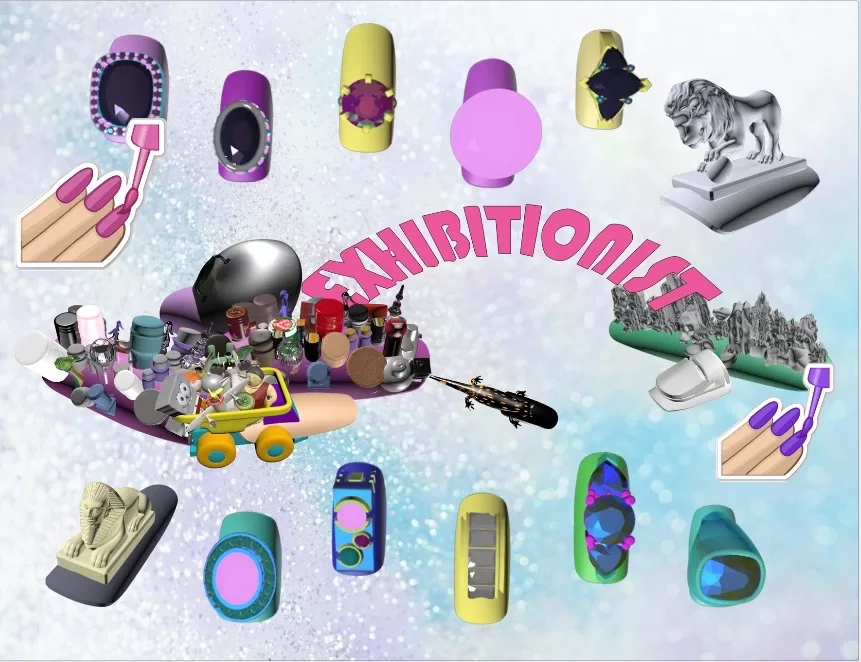
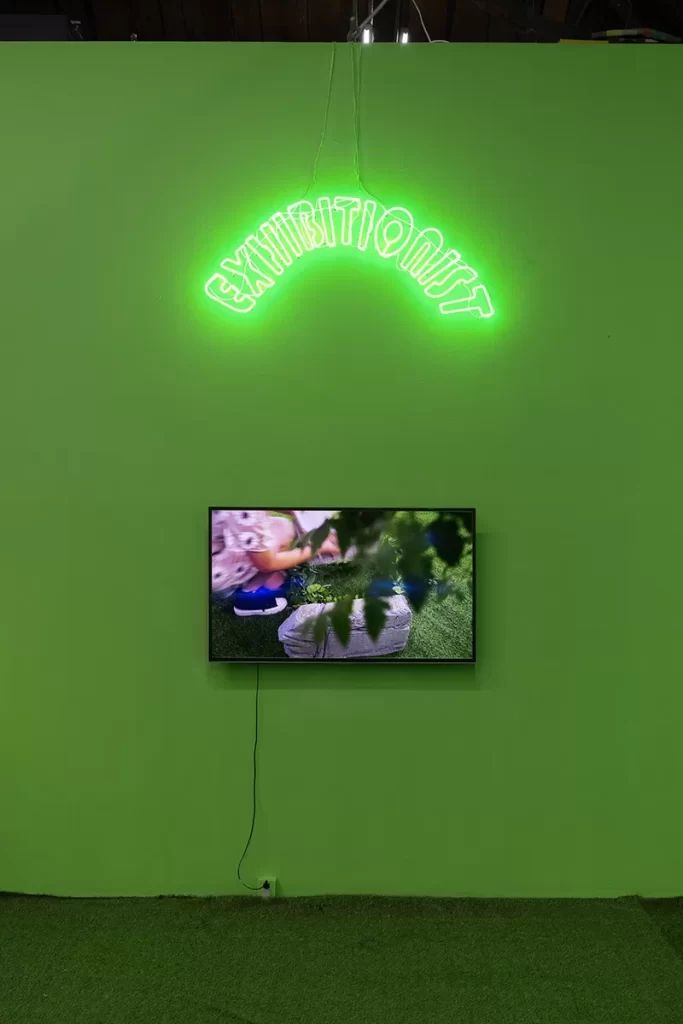
People’s Nail Congress: Exhibitionist’s Curated Nails
Solo project and participatory performance by Funa Ye
11–19 April 2015
AMNUA No. 0 Hall, Art Museum of Nanjing University of the Arts, Nanjing, China

Organised by Art Museum of Nanjing University of the Arts
Project Director: Wang Yamin
Presented as part of the 11th Round of the AMNUA Zero Program

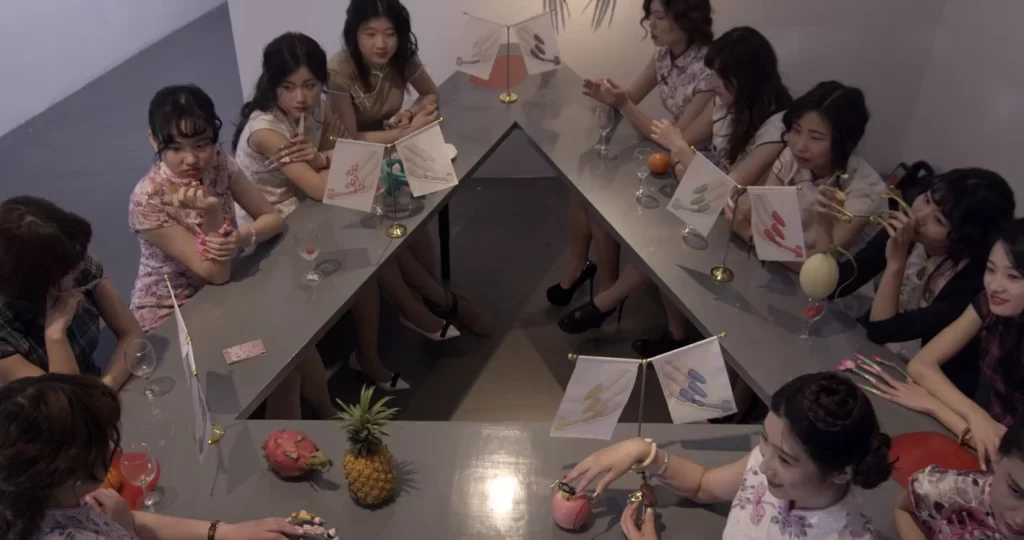
People’s Nail Congress was a participatory exhibition and performance developed as part of Funa Ye’s Curated Nails project. By the time of the exhibition, the project had received curatorial proposals from 115 participants, each invited to use the nail as a space for exhibition-making. Rather than selecting or ranking the submissions, Curated Nails treated every proposal equally and supported their development, production, promotion, and presentation. Participation and circulation were understood as central components of the work itself.
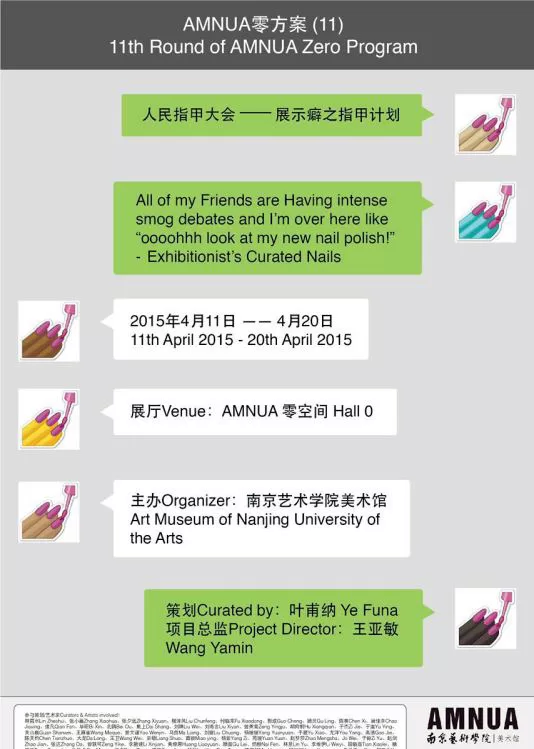
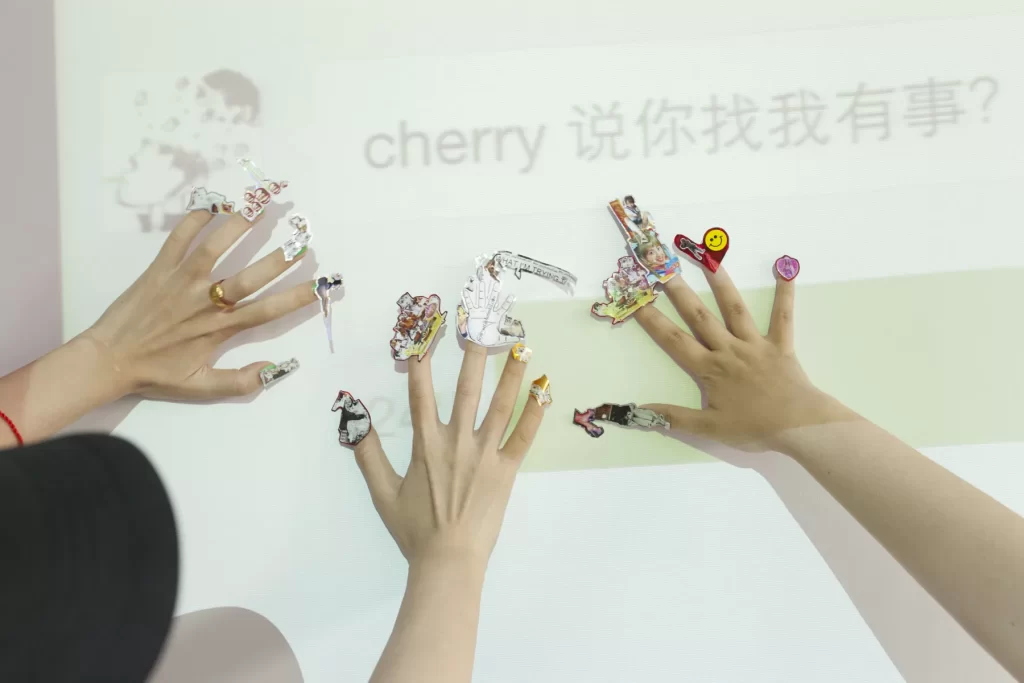
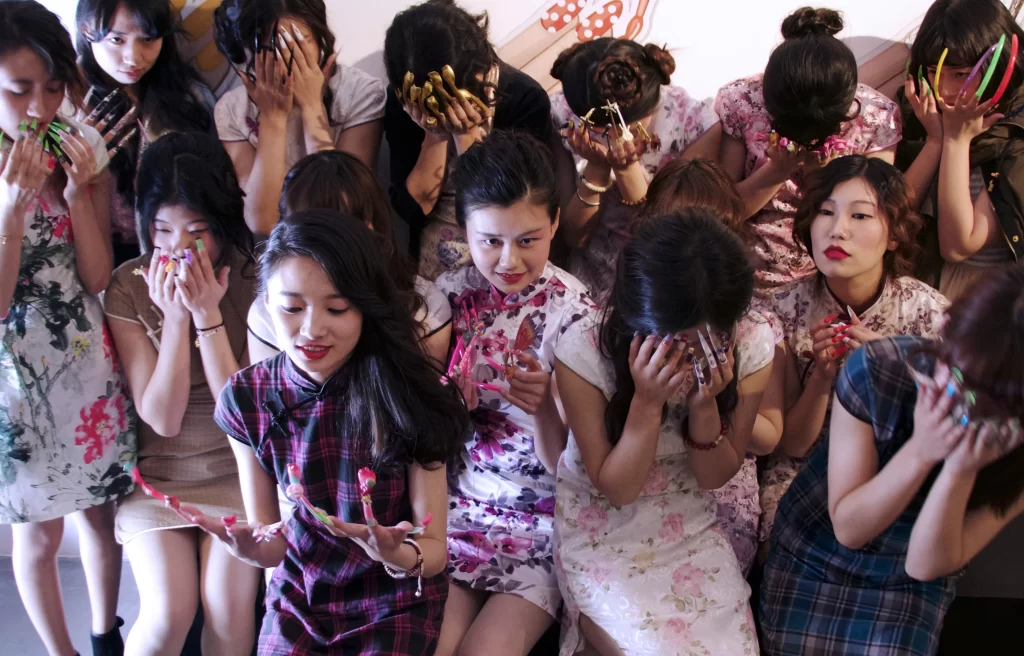
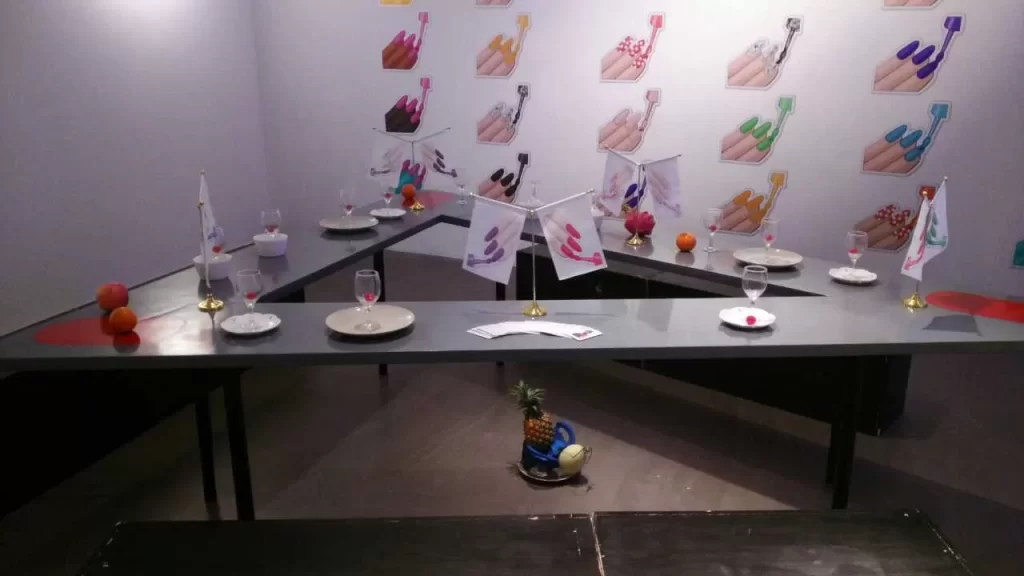
The exhibition asked how a very small space could be activated to its fullest potential. During the opening performance, thirteen models wearing elaborate nail works sat around a table as though attending a formal congress. Yet the exhibition was not located in the room or on the walls: it moved with their hands, gestures, and bodies. Nail technicians also offered visitors an on-site “installation service,” allowing members of the audience to become exhibition spaces themselves.

By bringing together the visual language of political assemblies, beauty salons, fashion displays, and participatory art, People’s Nail Congress blurred the distinctions between art and everyday life, performer and audience, exhibition space and exhibited object. The project playfully asked whether the nail, once treated as a democratic space, could become autonomous while remaining attached to the body.

People’s Nail Congress
Video, 3 min, 2015


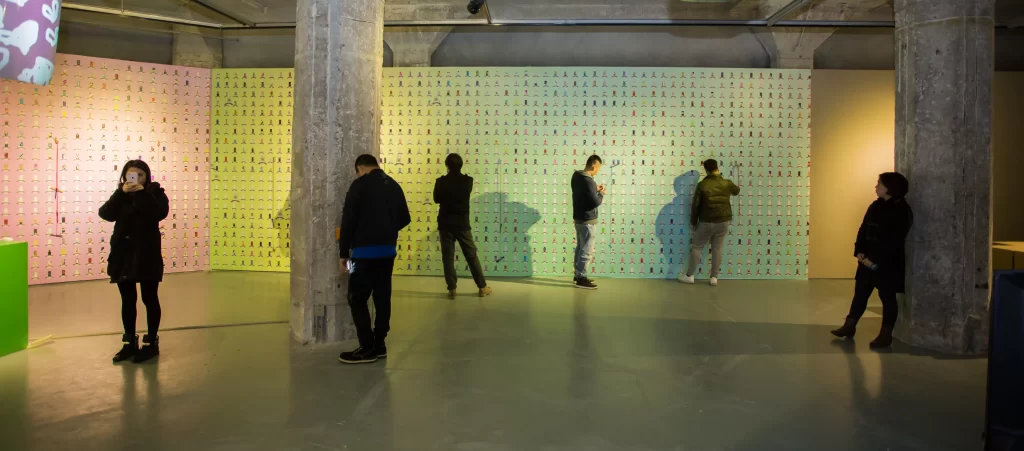
Installation view People’s Nail Congress, participatory performance and exhibition, AMNUA No. 0 Hall, Art Museum of Nanjing University of the Arts, Nanjing, 2015.


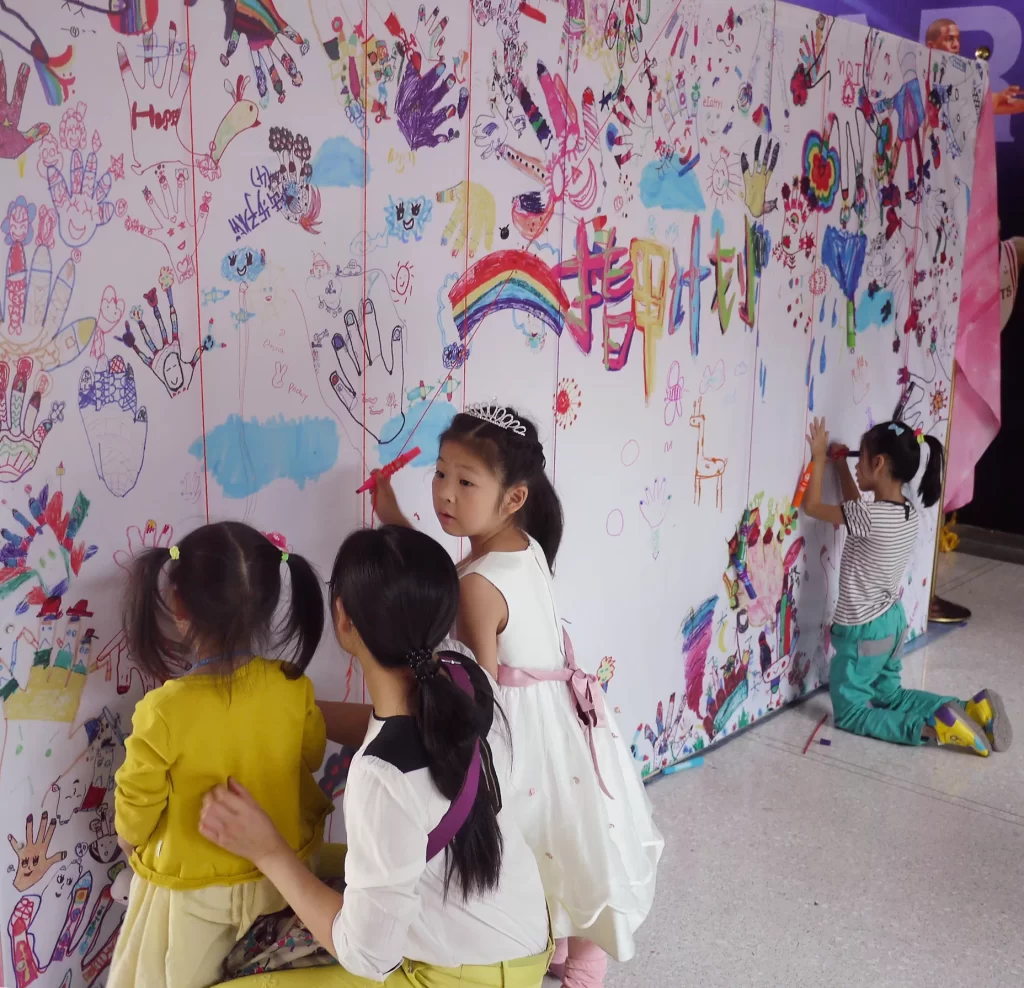
A World of Little Hands, with Niu Wenbo, Zhu Boluo and Zhang Xiaohua, Wukesong MasterCard Center South Plaza & HI-PARK, Beijing, 2014.

Nail to Go
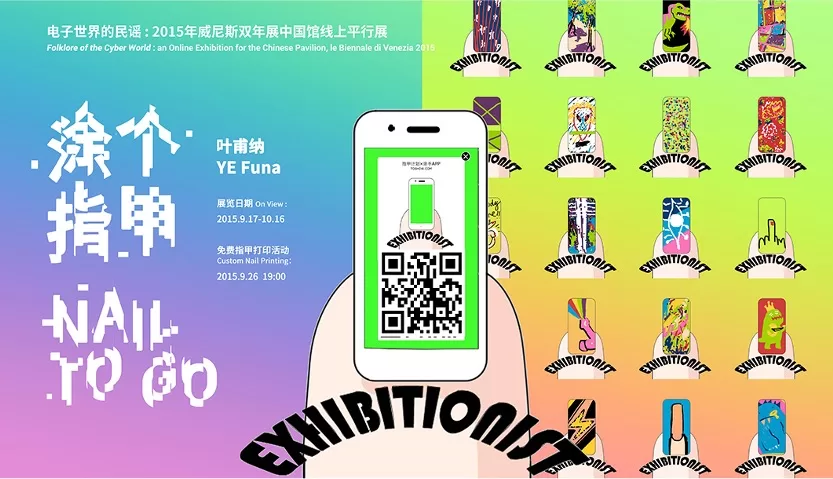
2015
Interactive online and offline project

Artist: Funa Ye
Presented by Chronus Art Center (CAC)
Part of Folklore of the Cyber World, an online parallel exhibition of the Chinese Pavilion at the 56th Venice Biennale
Online exhibition: 17 September–16 October 2015
Offline event: 26 September 2015
Venue: Chronus Art Center, Shanghai
Strategic partner: TOSHOW
Nail-art support: O’NINE

Nail to Go is an online and offline participatory artwork developed by Funa Ye in 2015 as part of Folklore of the Cyber World, a series of online parallel exhibitions organised by Chronus Art Center (CAC), the media-art partner of the Chinese Pavilion at the 56th Venice Biennale.

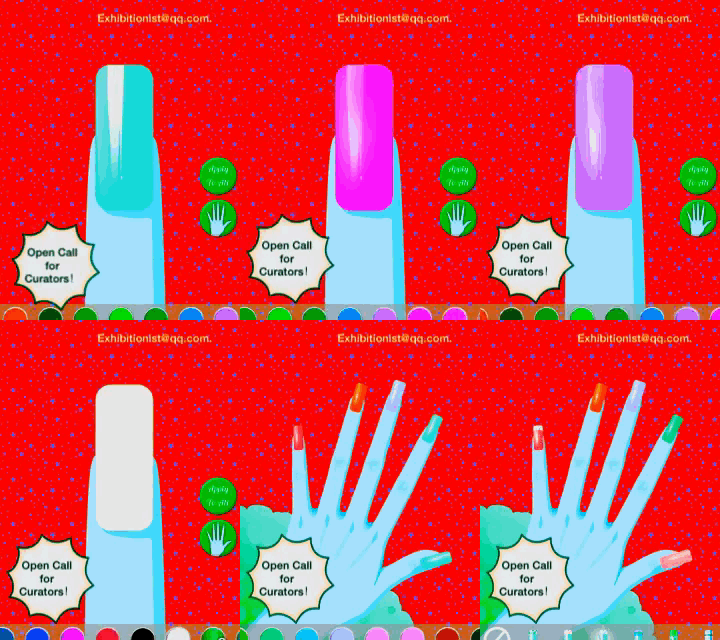
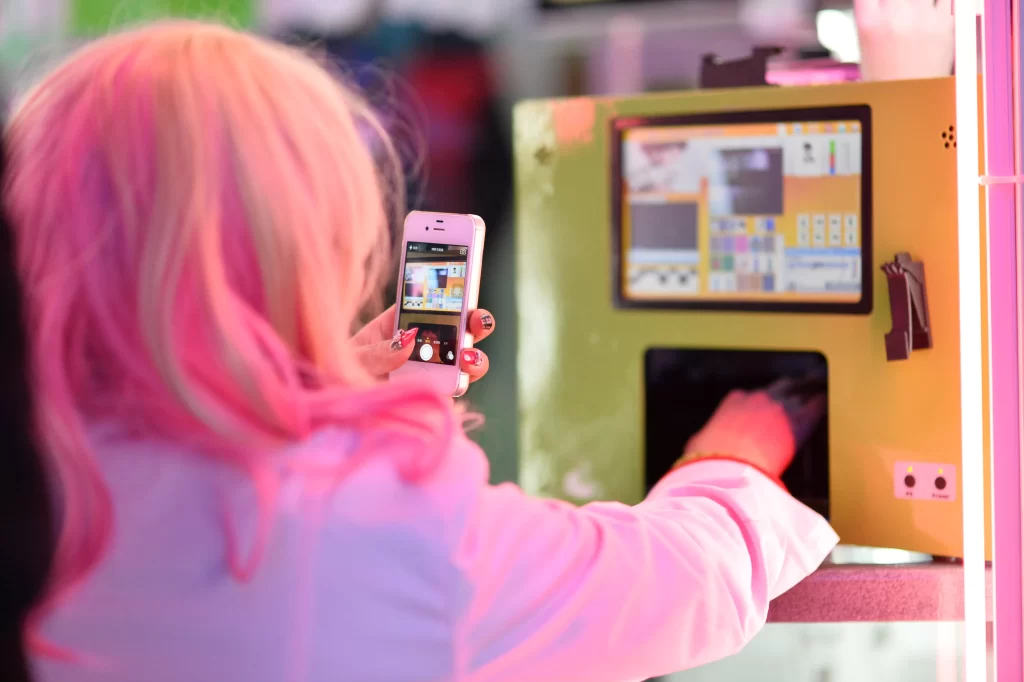
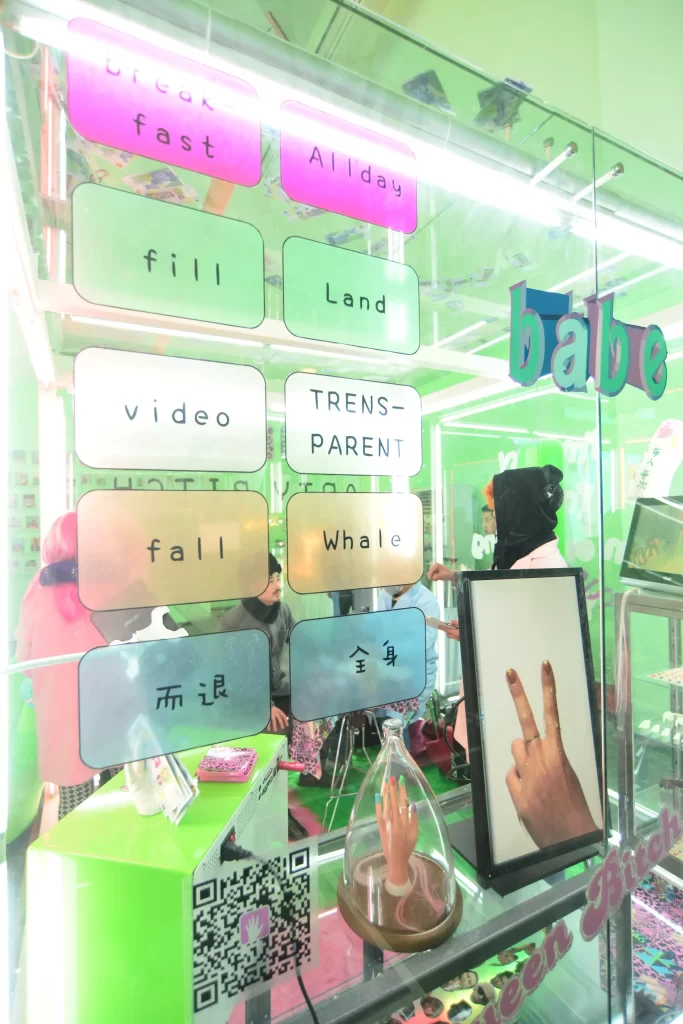
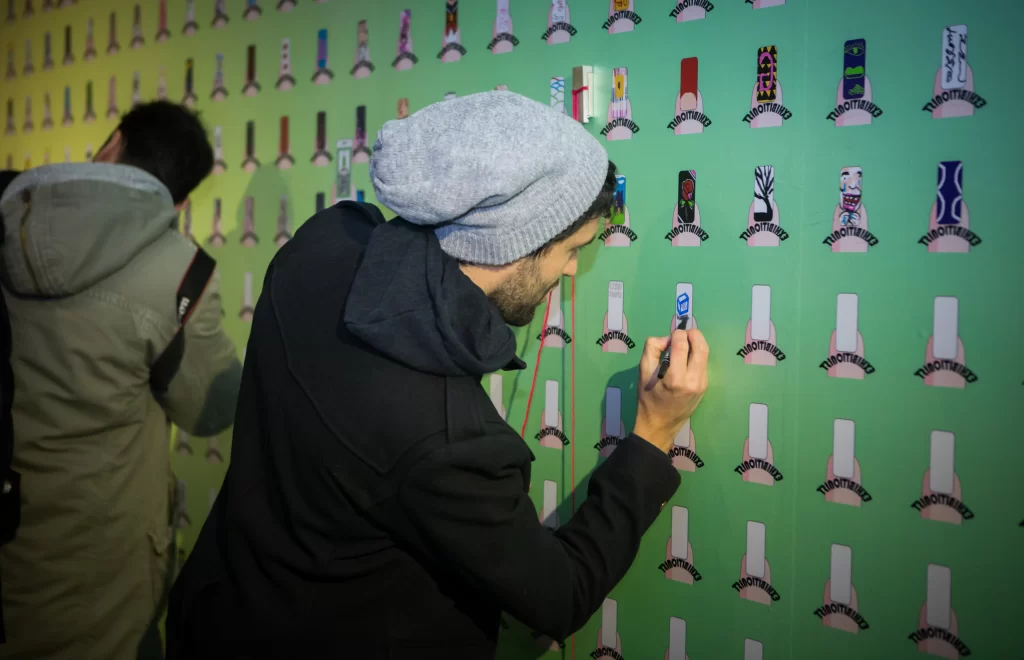
Created in collaboration with the social drawing platform TOSHOW, the project invited anyone to design a nail pattern through an online drawing interface and upload it to a shared digital archive. During the accompanying offline events, the submitted images were printed directly onto participants’ fingernails using a nail printer. The designs were also displayed online, on a large sculptural nail, and across an open nail-graffiti wall.

By connecting online drawing, social-media circulation, digital archives, and bodily display, Nail to Go transformed the fingernail into a personalised screen and mobile exhibition site. The project presented creativity and self-expression as collective, accessible activities rather than privileges limited by professional artistic training, gender, or institutional authority.
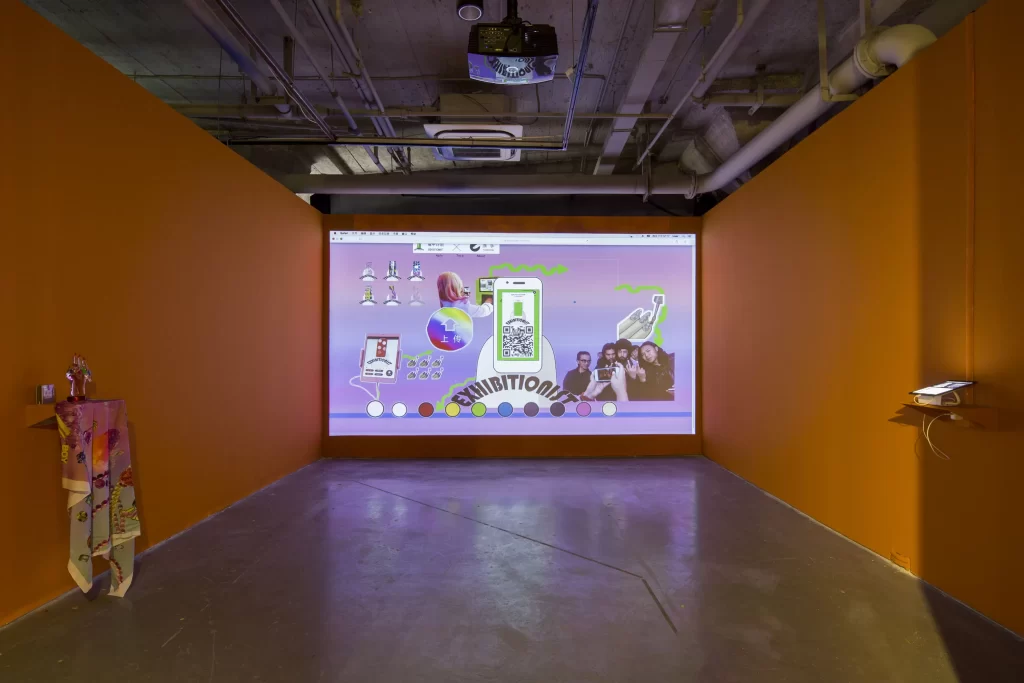
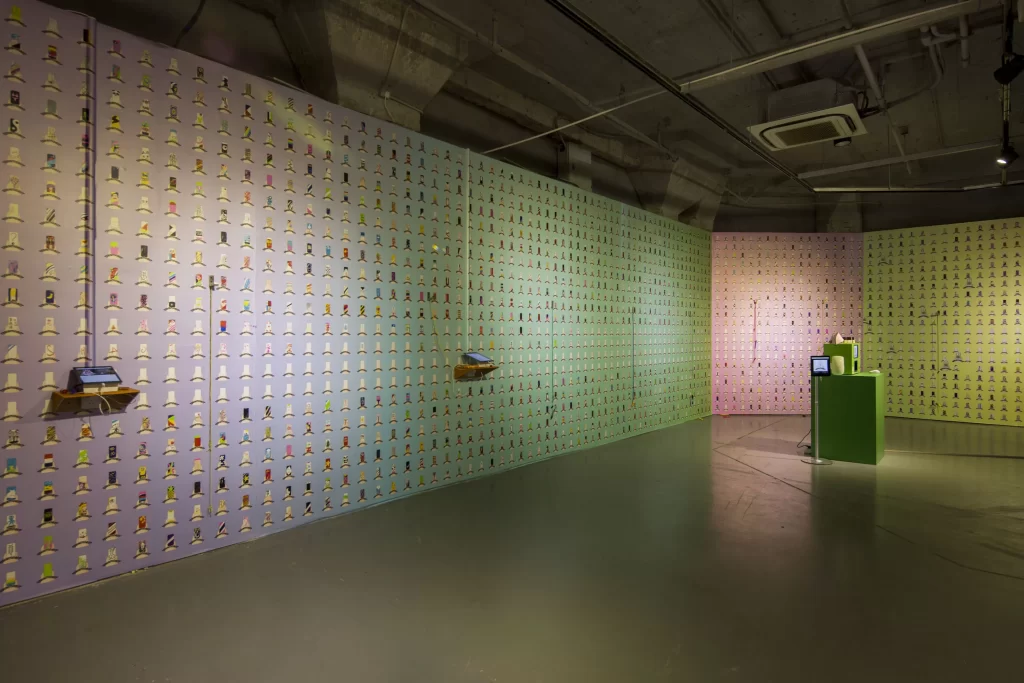
Nail to Go, installation view in The Ballad of Generation Y, curated by Zhang Ga, OCAT Shanghai, 2015–2016.

Nail Bank
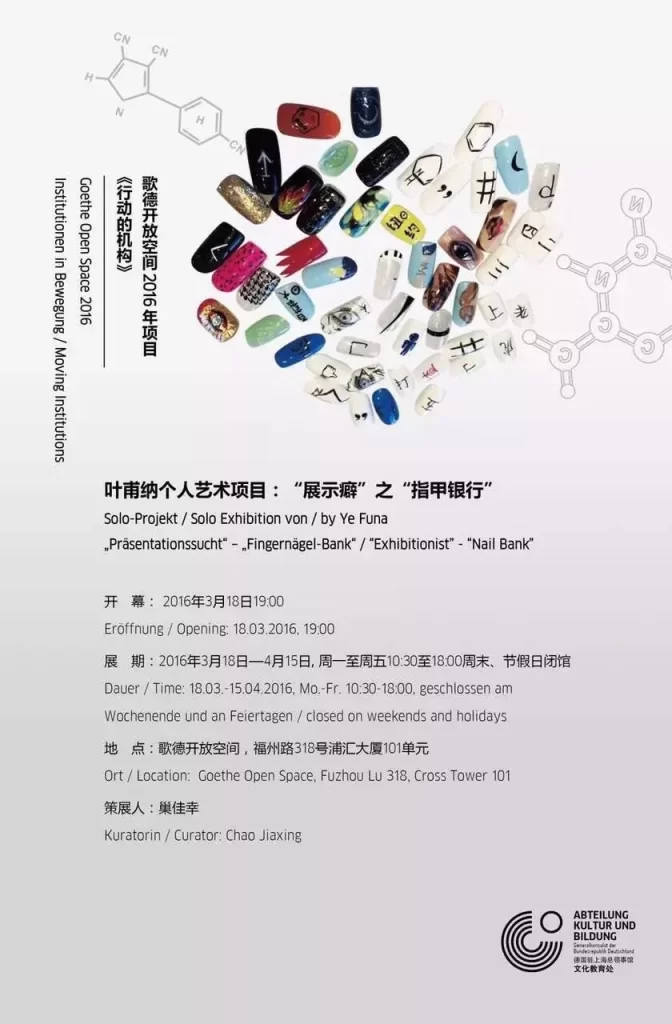
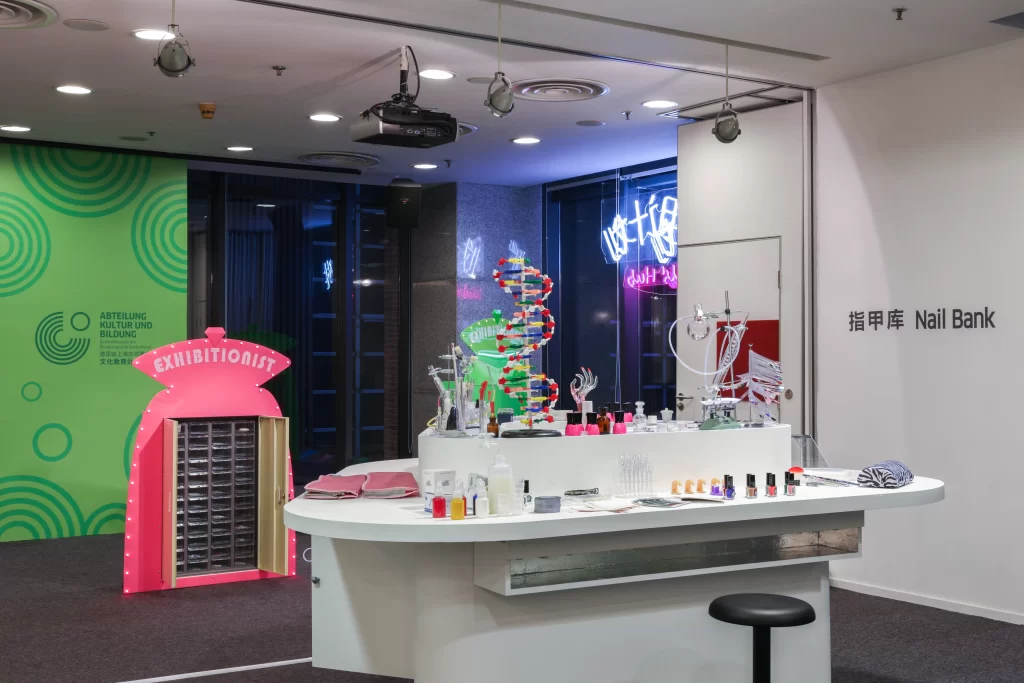
Nail Bank is an archival and retrieval system developed from Funa Ye’s long-term project Curated Nails. It treats nail designs not simply as temporary decorations, but as reproducible units of artistic production that can be collected, classified, named, stored, retrieved, and reactivated.

Modelled partly on the logic of a genetic database, the project gathers existing nail-curating proposals and preserves both their physical and digital forms. Each design is assigned an archival identity so that it can later be searched, reproduced, or adapted to a new body and context. In this way, Nail Bank gives a form of “insurance” to artworks that are otherwise fragile, temporary, and destined to disappear as nails grow or are removed.

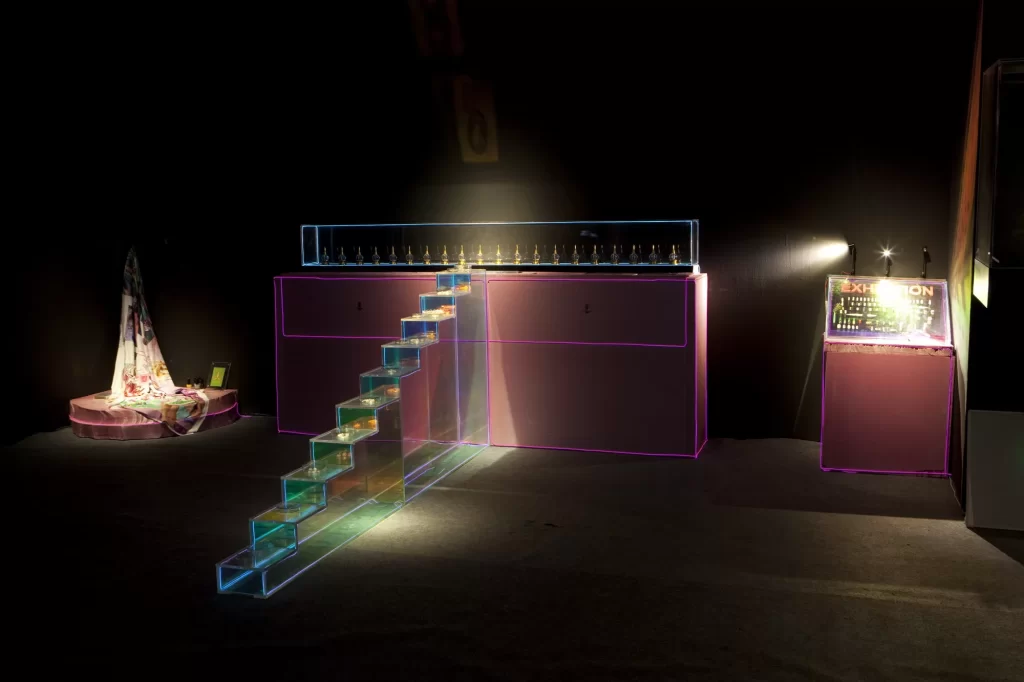
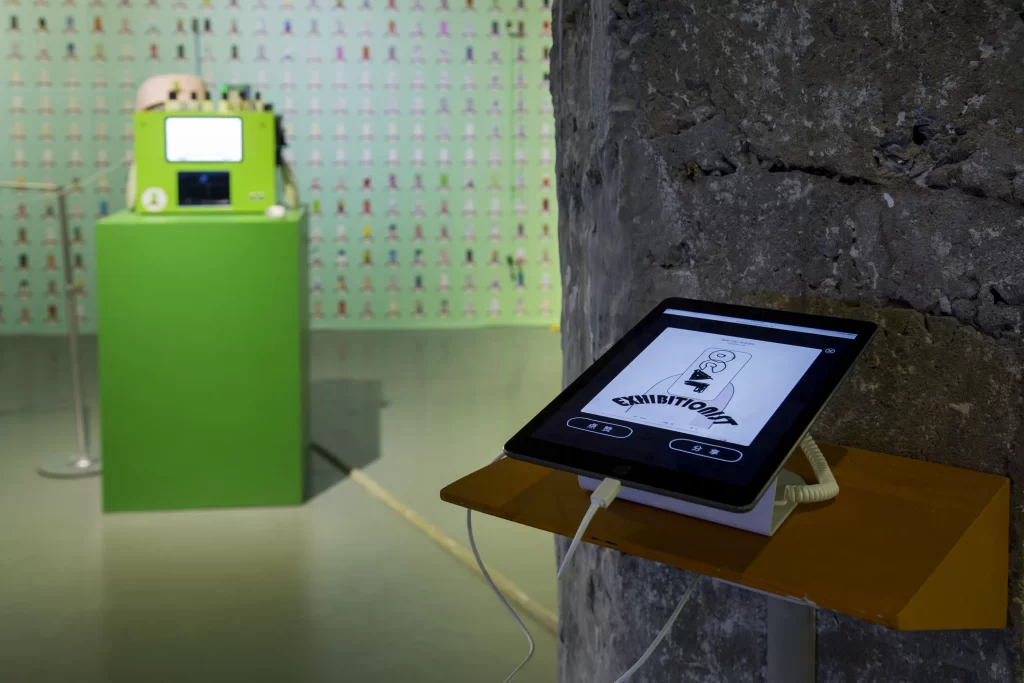
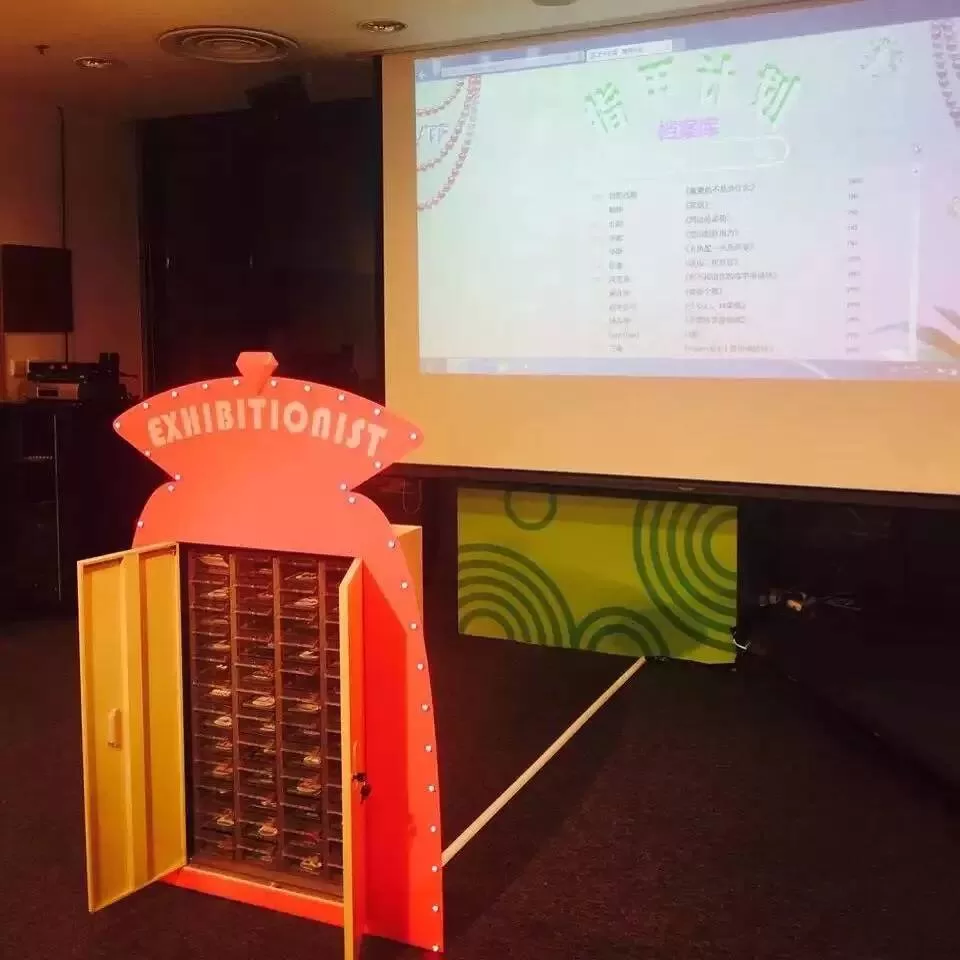
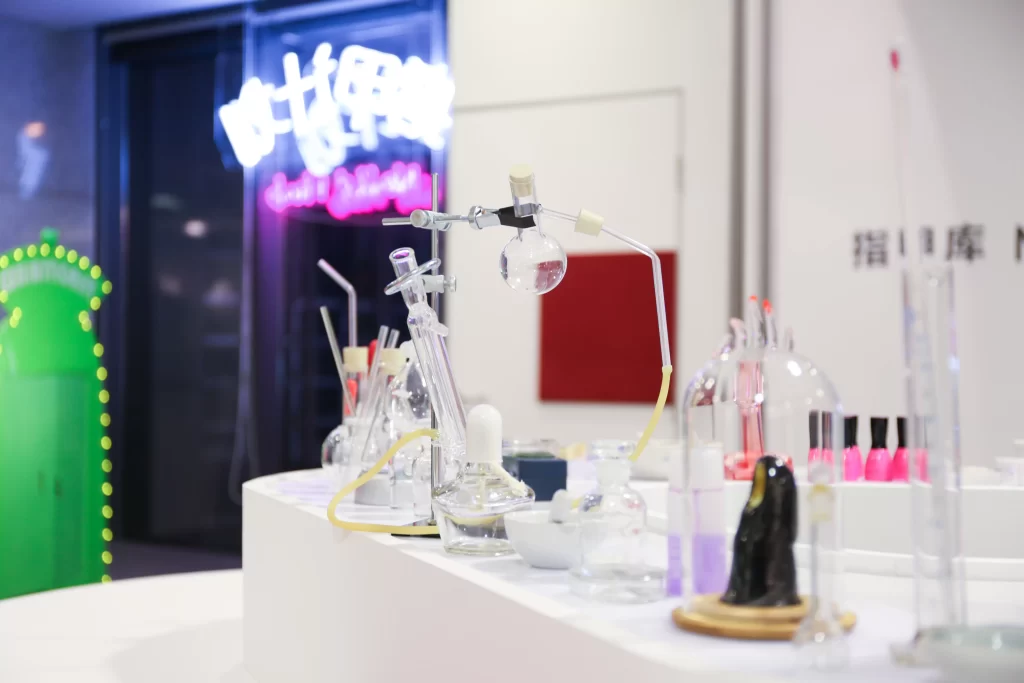
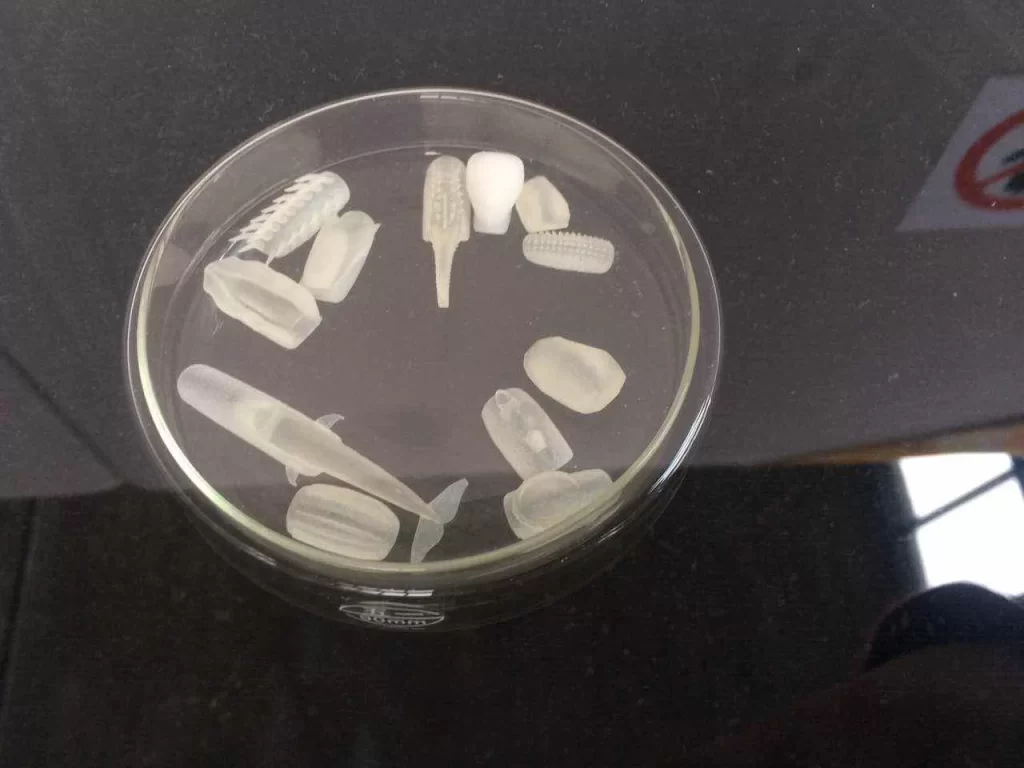
The installation included a vault containing physical nail samples organised by reference number, a digital archive of proposals and project documentation, and a Nail ATM through which visitors could search the database, select a design, and print it onto their own nails. Visitors could also print a selfie directly onto a nail. Additional elements included nail-making tools, pigments, a large ultraviolet curing lamp, polishing equipment, experimental nail objects, and a rotating display system.

By borrowing the language of banking, insurance, genetic storage, and institutional administration, Nail Bank reflects on how contemporary art is assigned value and preserved within systems of circulation. It also extends the broader logic of Curated Nails, in which the nail operates simultaneously as an exhibition space, medium, archive, institution, marketplace, and site of public participation.
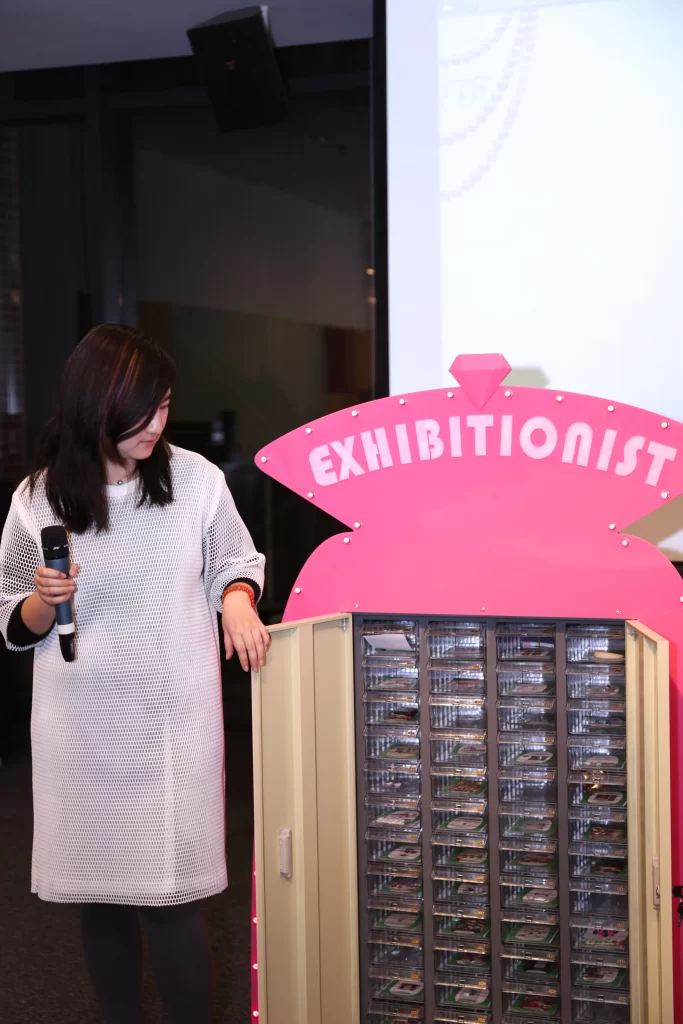
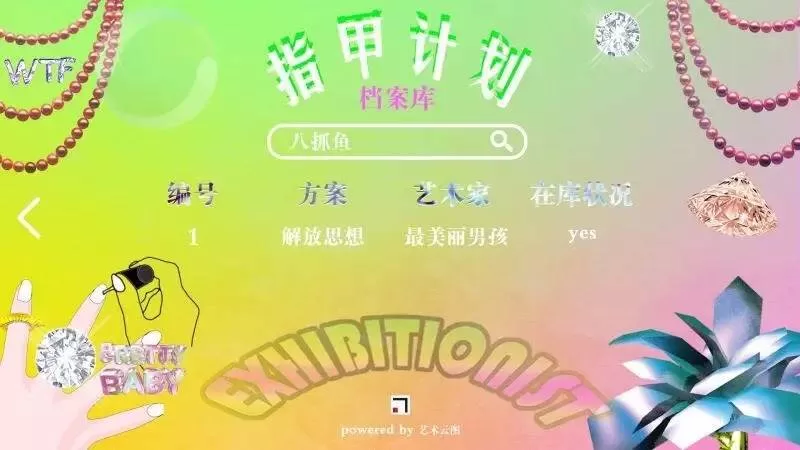
Installation view of Exhibitionist: Nail Bank, Goethe Open Space, Shanghai, 2016.
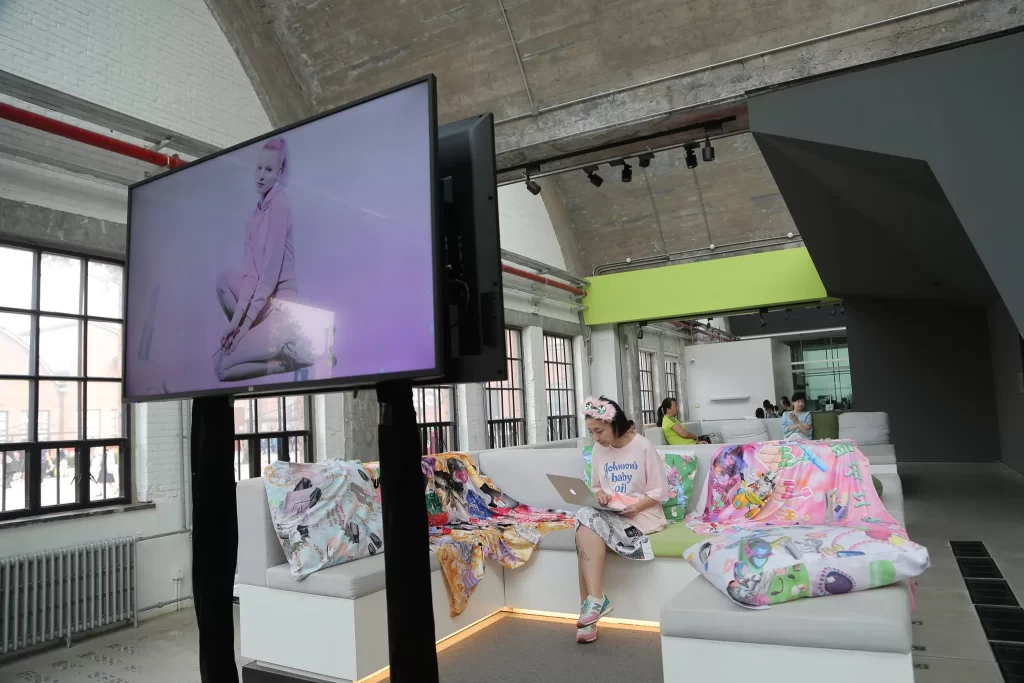
 

Installation view of Superfetish: Spring/Summer, Goethe-Institut Beijing, 2016.
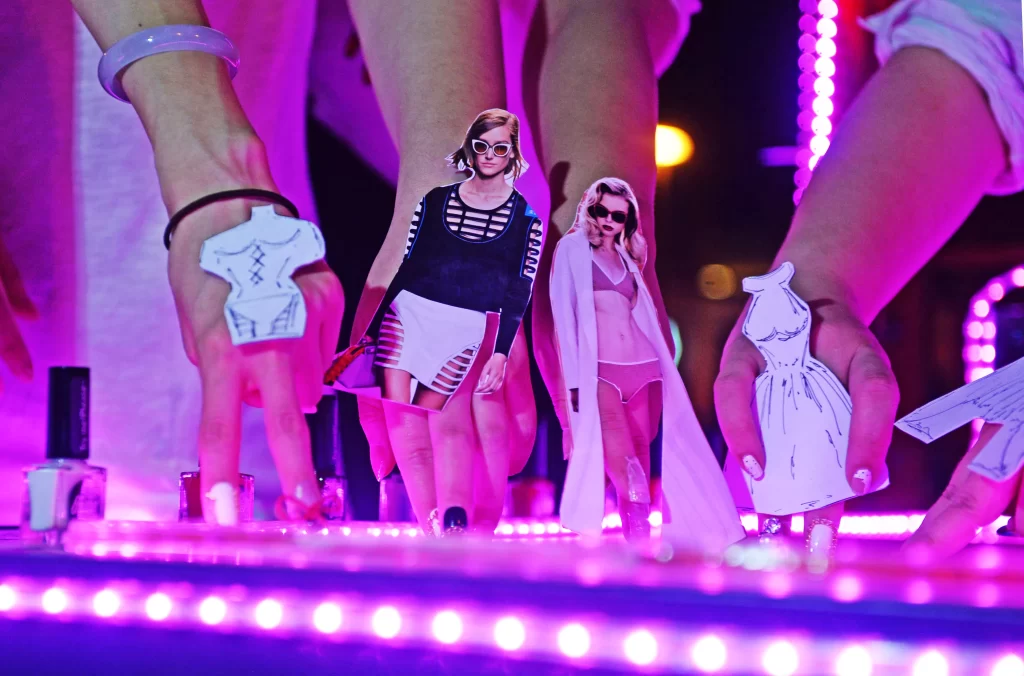
LETS FOO PARTY, LETSNAIL × Curated Nails, Xiannong Temporary Exhibition Space, Tianjin, 2016.

Nailhenge

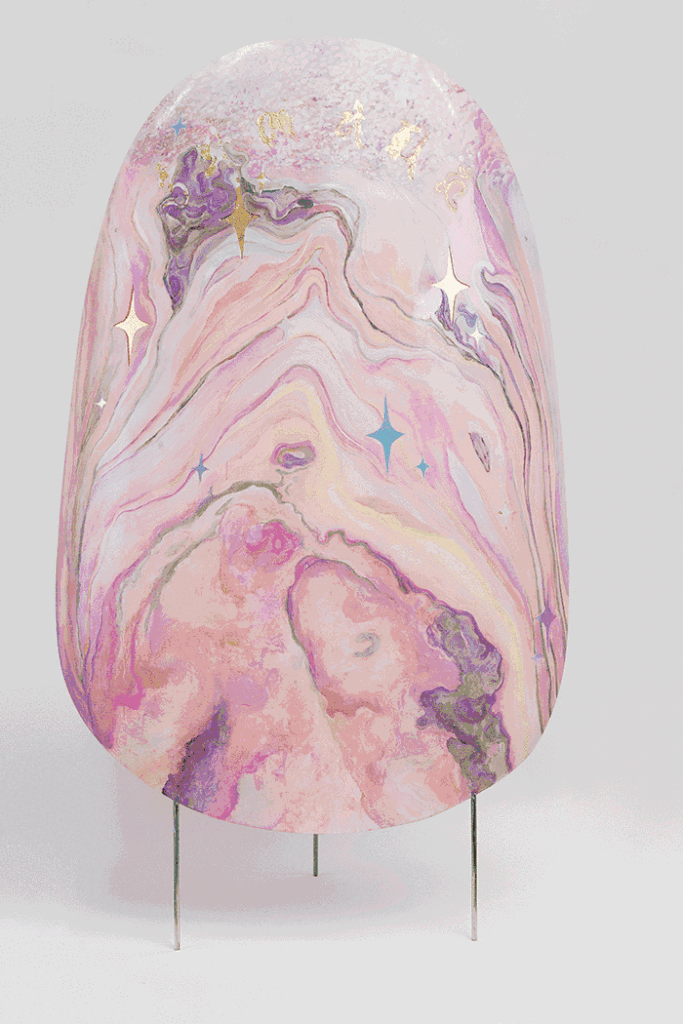
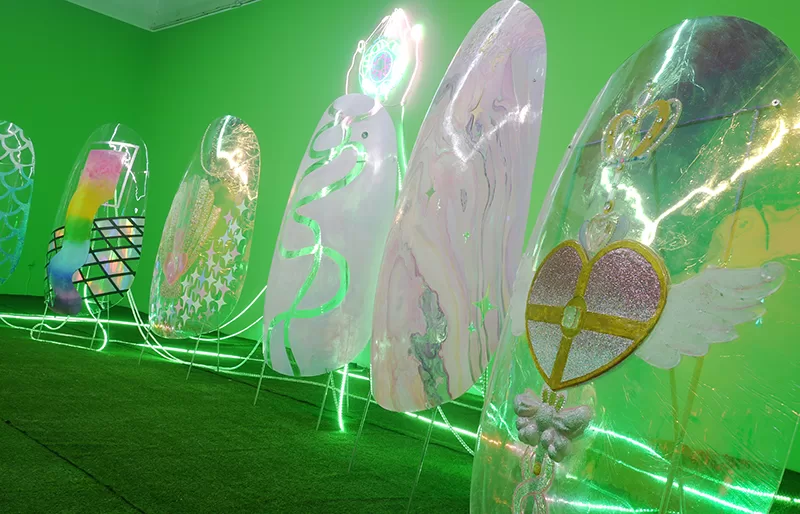
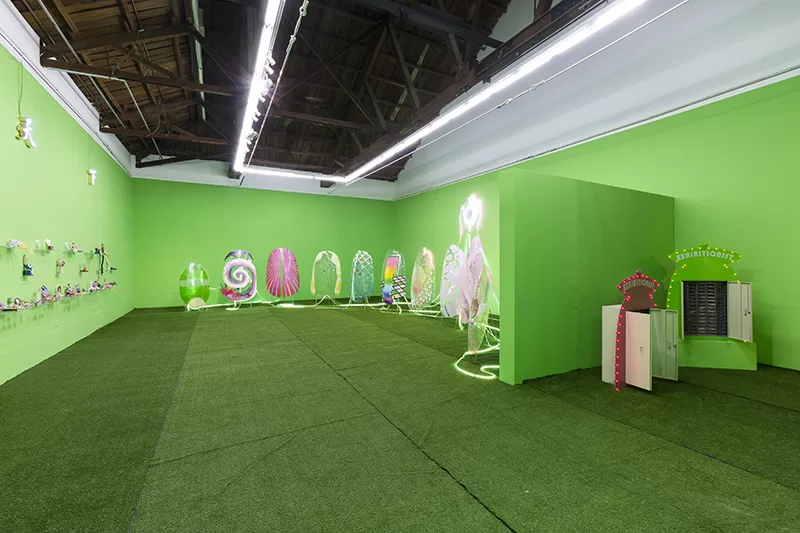
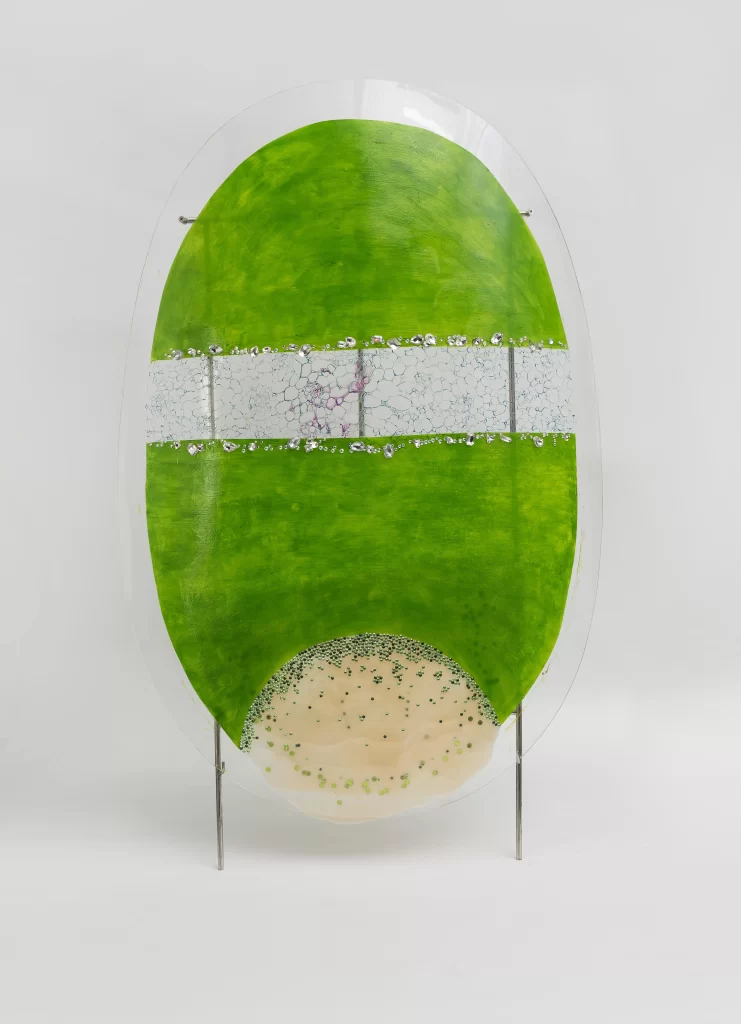
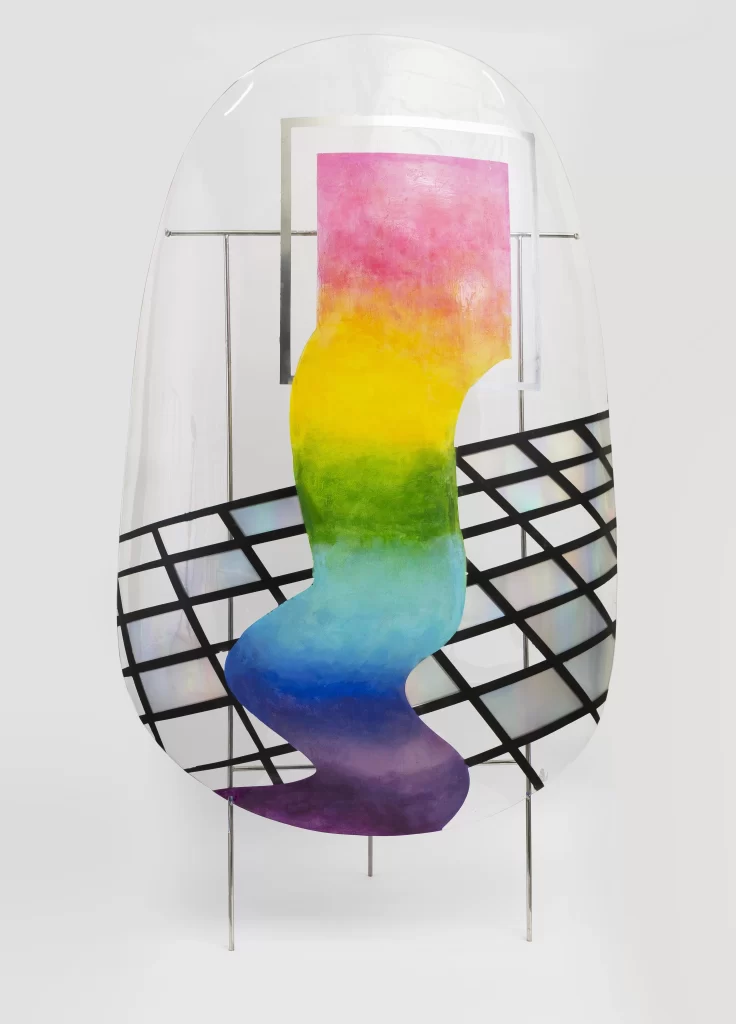
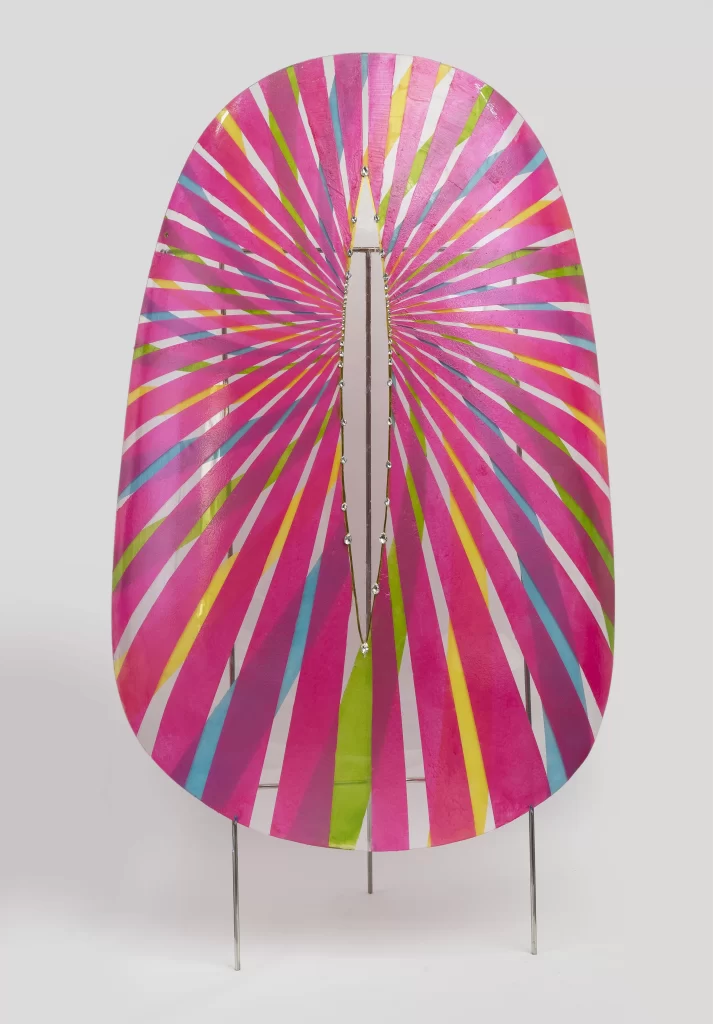
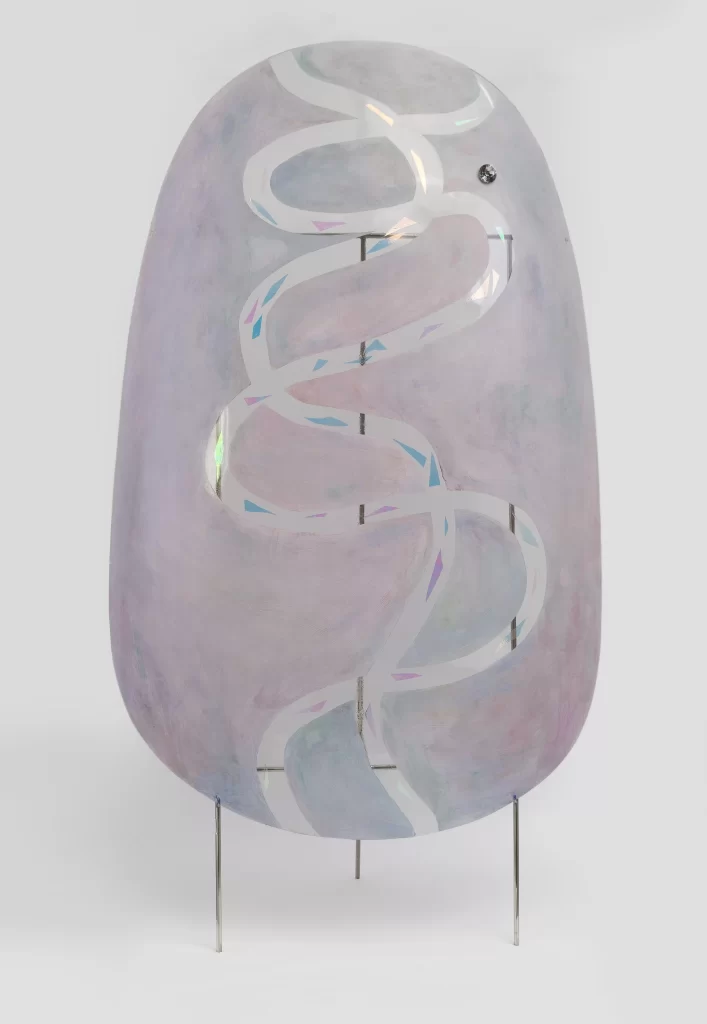
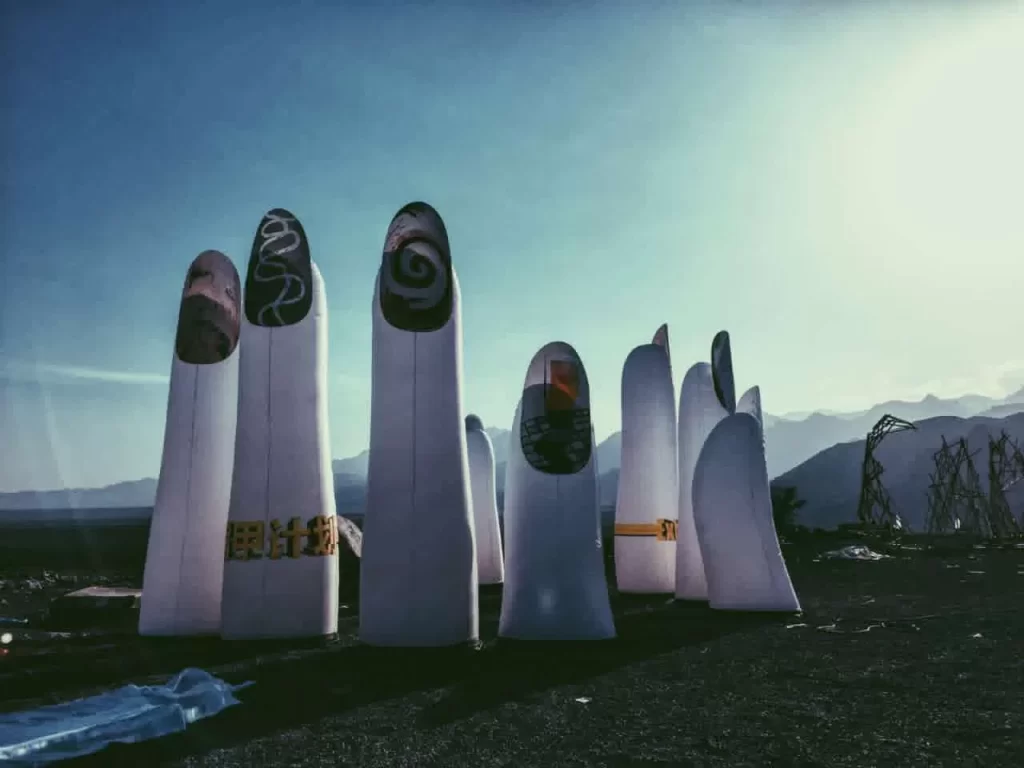
Developed as an extension and large-scale summation of Curated Nails, Nailhenge expands the nail from a miniature exhibition site into a monumental sculptural, archival, and cinematic form. First presented as Ye Funa’s solo exhibition, the project brought together installations, paintings, documents, and moving-image works produced through the wider Curated Nails network. By enlarging artificial nails to the scale of bodies, monuments, and landscapes, Nailhenge transforms a temporary form of bodily decoration into an imagined archaeological and mythological system.

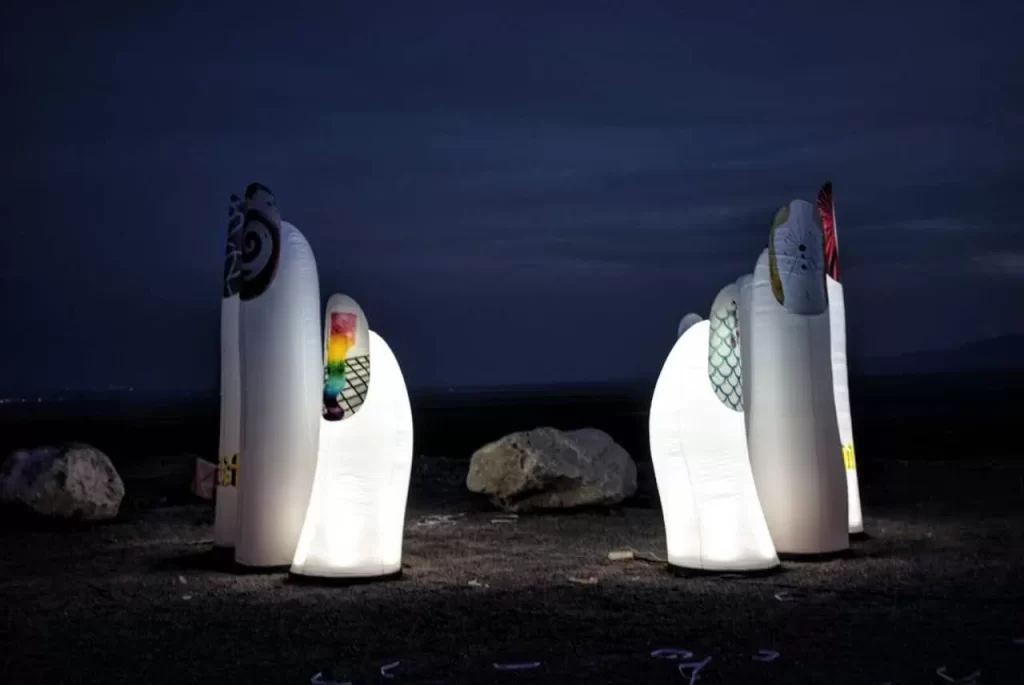
The exhibition structure draws on both Stonehenge and the Chinese mythological image of the Five-Finger Mountain. Monumental nail forms are arranged as standing stones, sacred objects, altars, and speculative ruins. Through this deliberate collision of heroic mythology and popular nail aesthetics, the works replace ideas of permanence, grandeur, and divine origin with something decorative, synthetic, intimate, and everyday. Nailhenge therefore constructs an anti-mythological cosmology in which beauty practices, minor gestures, and overlooked bodily surfaces become the foundations of an alternative civilisation.

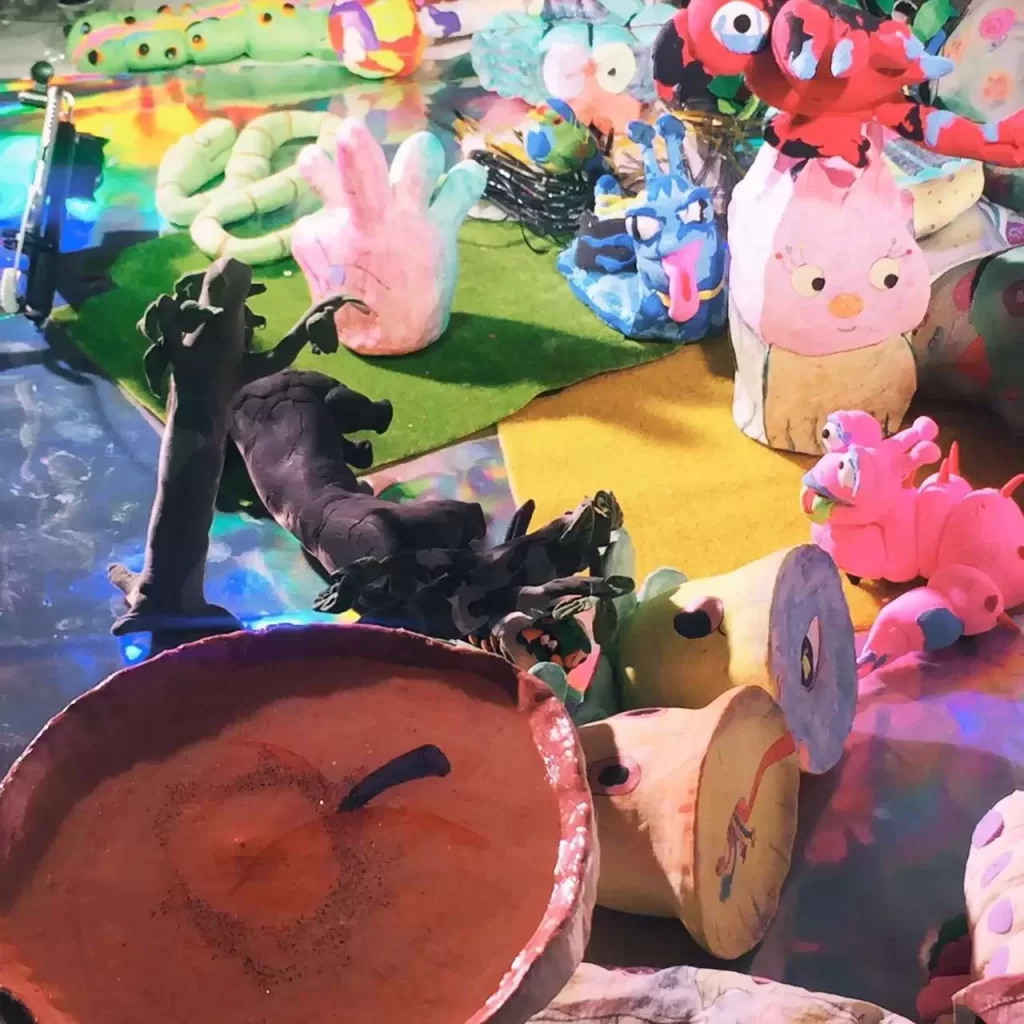
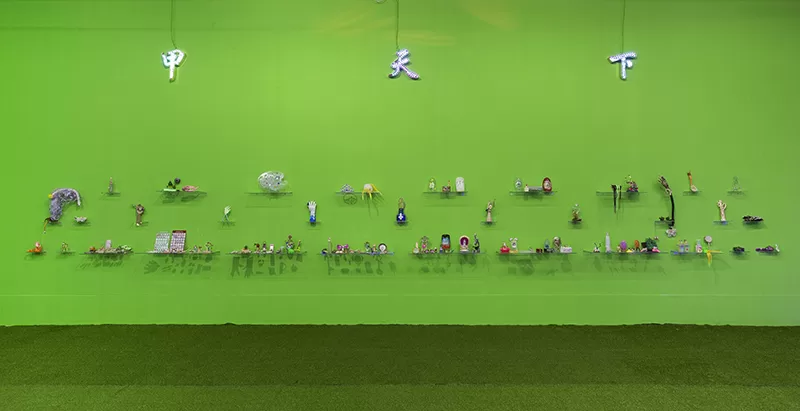
Works from the Occupying Nails series combine artificial nails with rhinestones, dolls, insects, organs, plants, hair, and inexpensive objects sourced from wholesale markets. Resembling miniature theatres or strange biological specimens, these sculptures move between seduction, humour, horror, and absurdity. Their excessive colours, cheap materials, and deliberately rough construction resist the polished refinement associated with commercial nail art, while reflecting on gender, consumer culture, pathology, fantasy, and the social meanings attached to bodily decoration.

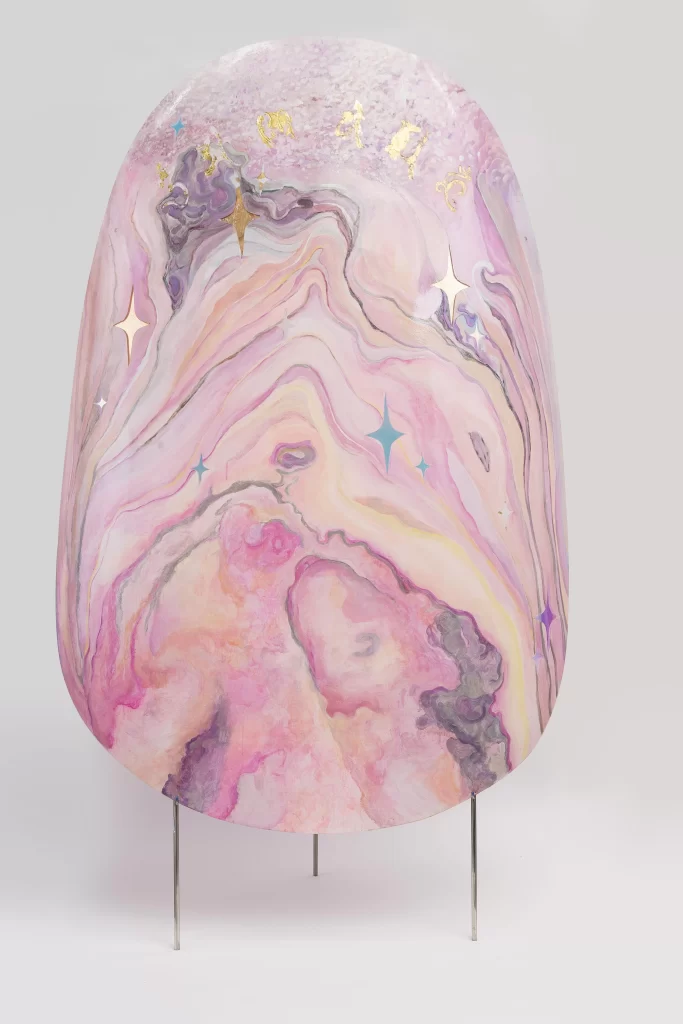
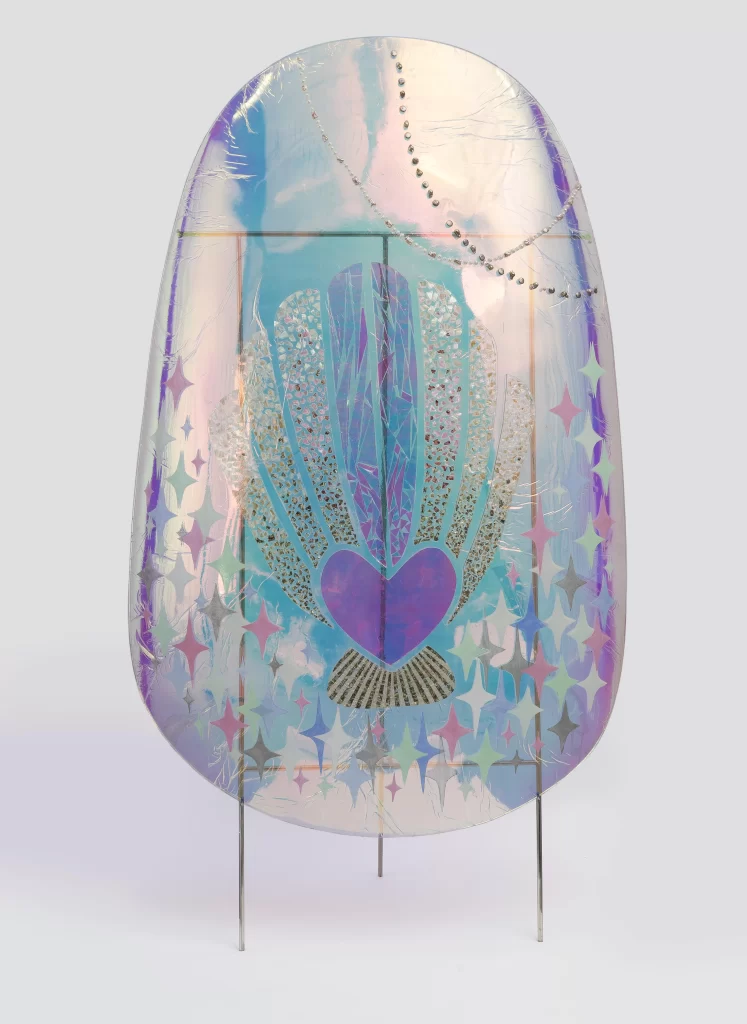
The series also includes monumental works such as Nailhenge – Pearl Shell, in which enlarged translucent nail forms become freestanding sculptural architectures. Archival installations, including the Nail Bank and the Diamond Nail Treasure Box, preserve proposals and documentation from the many temporary exhibitions created through Curated Nails. These archives give material form to a project that would otherwise disappear as nails grow, are removed, or are redesigned.

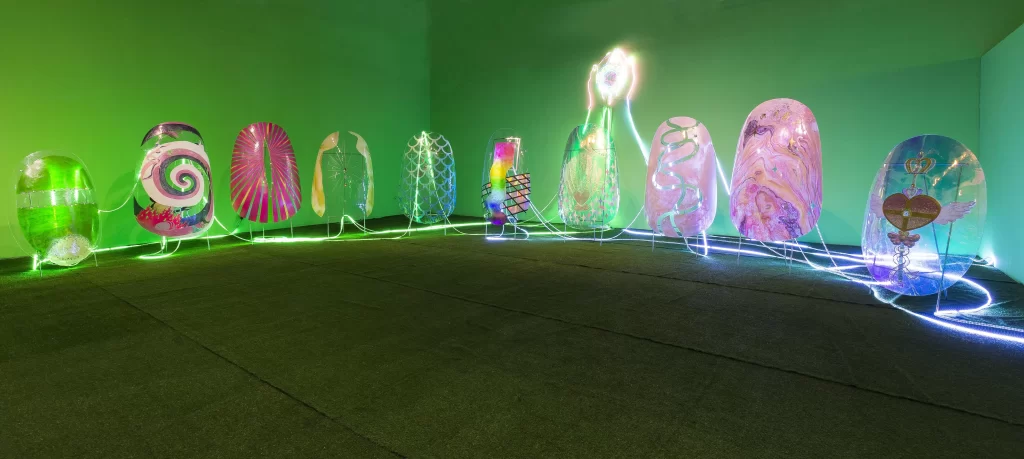
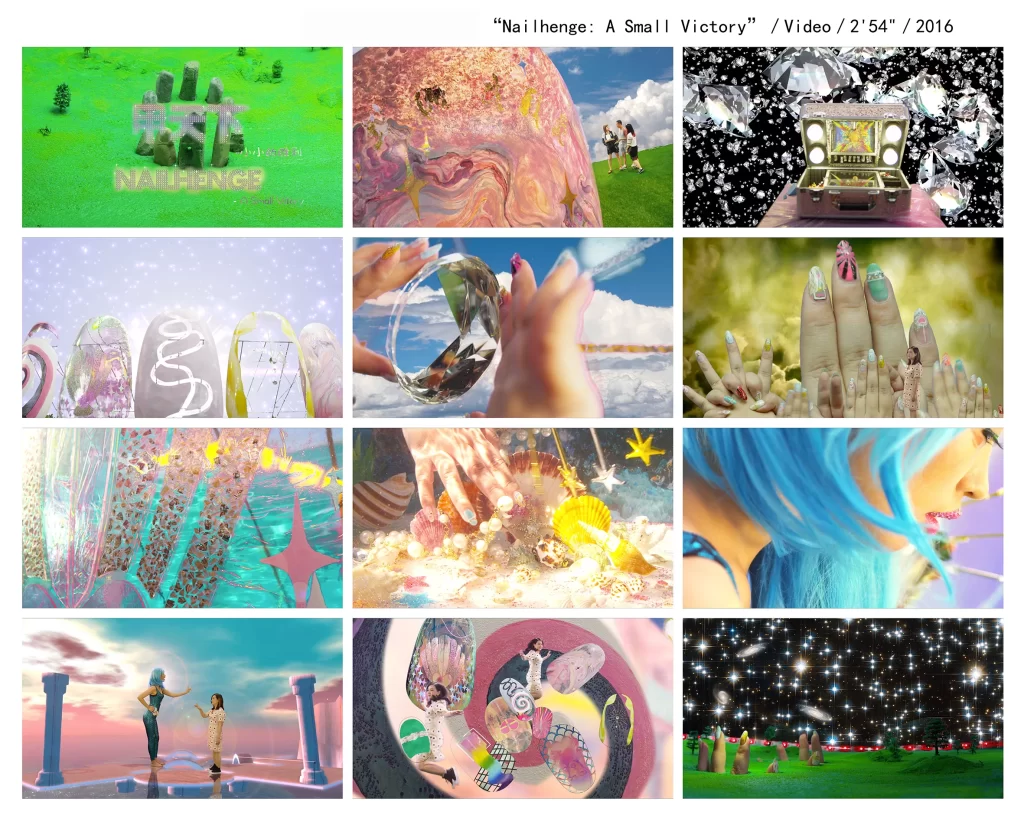
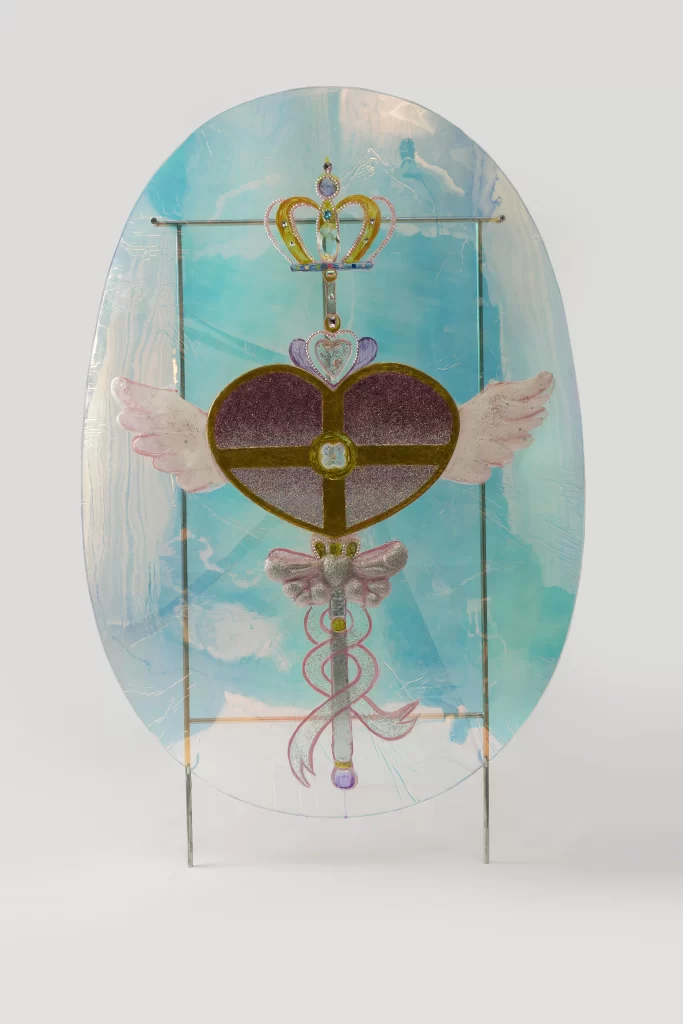
The moving-image work Nailhenge: A Small Victory invents a fictional creation story for a civilisation built around nail culture. Accompanied by electronic music, the film follows Ye Funa and her collaborators as they explore this imagined world. Ten human-scale nail sculptures draw on female figures and symbols from Chinese and Western mythology, alongside imagery from anime and popular culture—such as crowns, hearts, wings, magical staffs, and transformation rituals. Nail decoration becomes not merely an act of beautification, but a source of identity, agency, fantasy, and power.

Across the Nailhenge series, the nail operates simultaneously as body fragment, exhibition architecture, commodity, ritual object, archive, weapon, landscape, and monument. The project reclaims a practice often dismissed as decorative or trivial and presents it as a site through which histories, desires, belief systems, and forms of collective imagination can be rebuilt.


Installation view of Nailhenge, Space Station, Beijing, 2016.


Nailhenge-Spirit Stone, Mixed Media, 115×215cm, 2016.

Nailhenge-Warrior Girl, Mixed Media, 100×160cm, 2016

Nailhenge-Warrior Girl, Mixed Media,100×160cm, 2016

Nailhenge-Rainbow Painting, Mixed Media,105×205cm, 2016

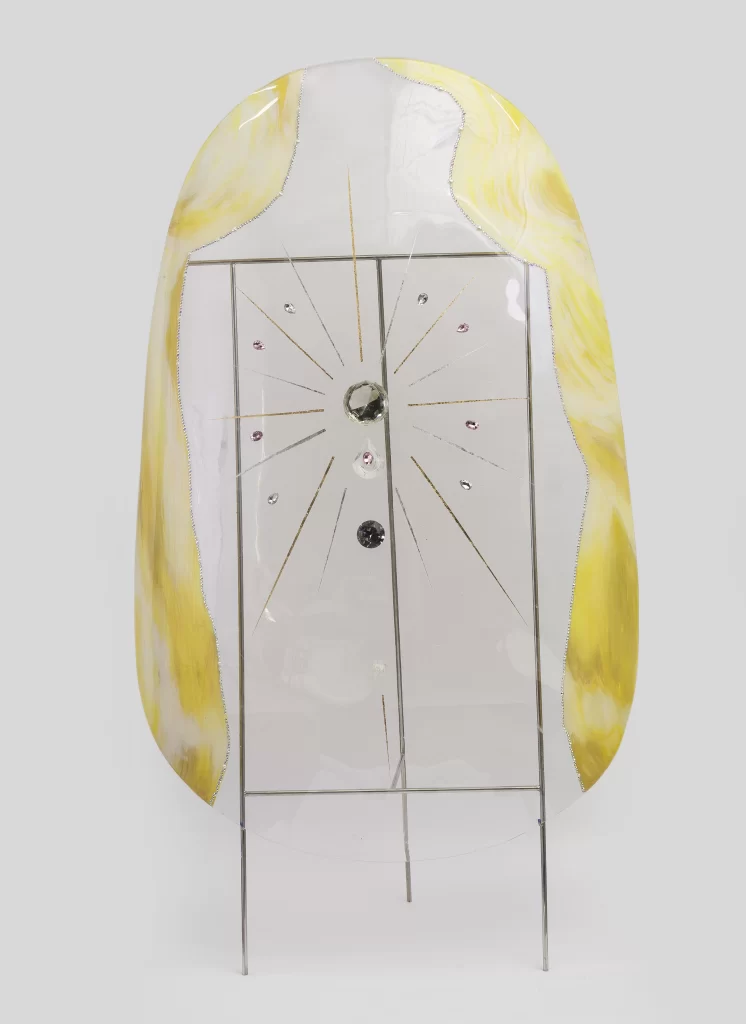
Nailhenge-Shine, Mixed Media,115×215cm, 2016

Nailhenge-Nailhenge-Gene, Mixed Media,105×205cm, 2016

Nailhenge-Pearl, Mixed Media,115×205cm, 2016

Nailhenge-Multicolored Stone, Mixed Media,105×205cm, 2016

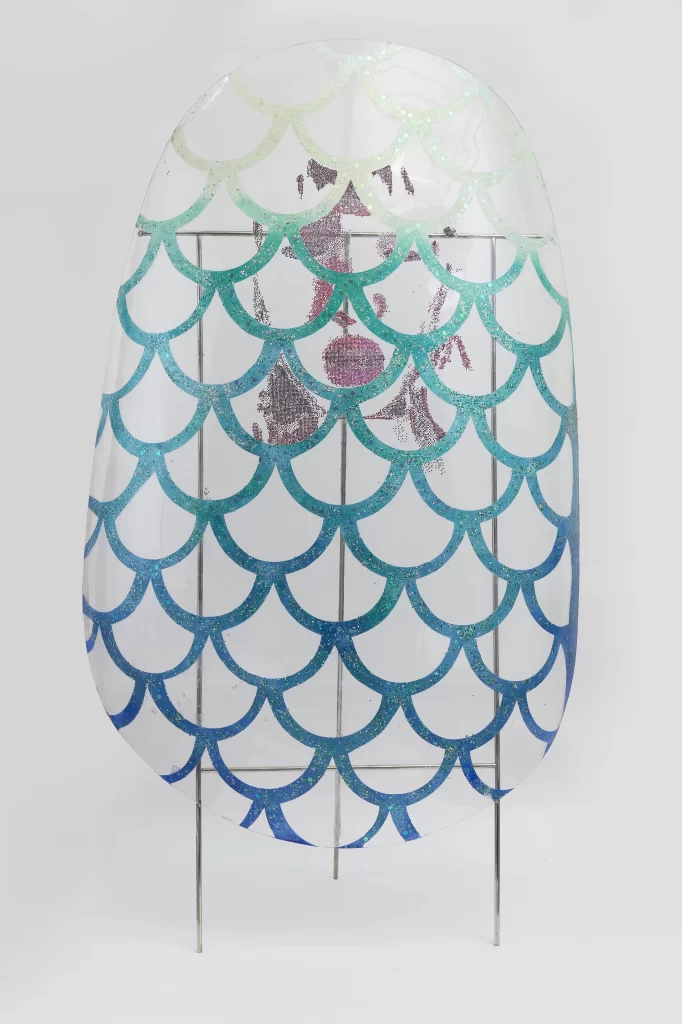
Nailhenge-Mermaids, Mixed Media,105×205cm, 2016

Nailhenge-Swastika Puzzle, Mixed Media,105×205cm, 2016

Nailhenge, Installation view at Yinchuan, 2016